

What Causes a Brain Bleed? A Comprehensive Guide
Understanding What a Brain Bleed Is and Why It Happens
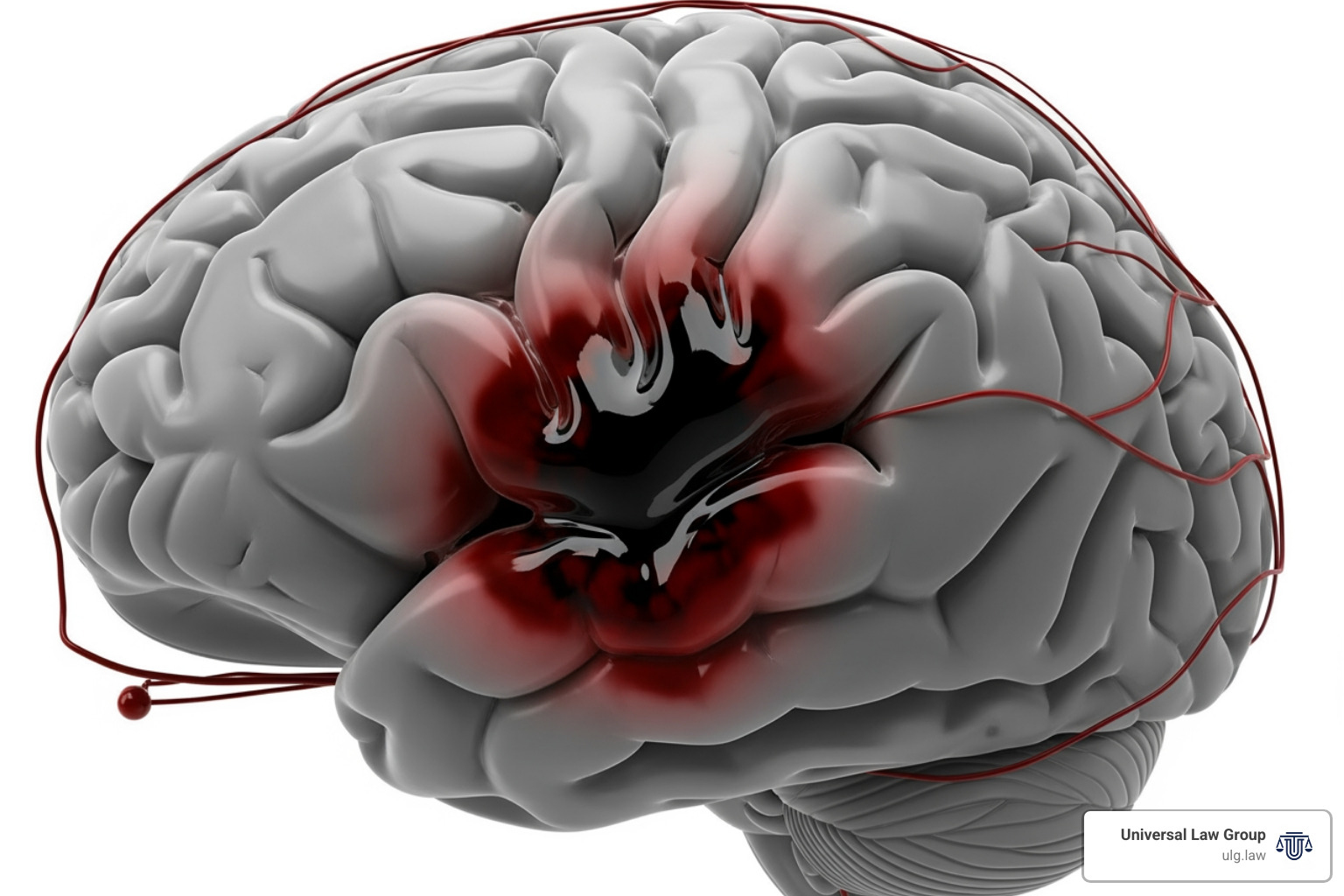
What causes a brain bleed is a critical question. Medically known as an intracranial hemorrhage, a brain bleed occurs when a blood vessel within the skull ruptures or leaks. This is a life-threatening emergency because it allows blood to pool and press on delicate brain tissue, cutting off the oxygen supply. The brain cannot store oxygen, so any interruption to blood flow is immediately dangerous. Brain cells can begin to die within minutes, which is why recognizing the symptoms and seeking immediate medical care is absolutely critical.
The most common initial symptom is a sudden, severe headache, often described as the “worst headache of one’s life.” Other warning signs include sudden weakness on one side of the body, confusion, vision problems, seizures, and loss of consciousness. These symptoms can appear instantly or develop over hours or days.
Brain bleeds account for approximately 13% of all strokes in the United States. The consequences are severe, with high mortality rates and the potential for life-altering disabilities for survivors. More than 795,000 people in the U.S. experience a stroke each year, and hemorrhagic strokes represent a significant portion of these events.
I’m Brian Nguyen, Managing Partner at Universal Law Group. While my firm handles personal injury and criminal defense, I’ve represented many clients whose lives were changed by traumatic brain injuries from accidents and assaults. This experience drives my commitment to helping people understand both the medical and legal aspects of these serious events.

Understanding the Different Types of Brain Bleeds
When determining what causes a brain bleed, doctors first identify its location. The brain is protected by three layers called the meninges: the dura, arachnoid, and pia mater. Bleeding can occur between these layers or directly within the brain tissue. The pooling blood forms a mass (a hematoma) that increases pressure inside the rigid skull, squeezing the brain and causing damage.

Epidural Hematoma
This bleed occurs between the skull and the dura mater (the tough outer layer). It is almost always caused by a significant head injury, such as a skull fracture that tears an artery. Because arteries carry high-pressure blood, these hematomas can grow rapidly and are extremely dangerous. A person may seem fine after the injury, only to decline quickly, making immediate medical evaluation after any head trauma essential. The American Association of Neurological Surgeons provides more data on these injuries: Traumatic Brain Injury statistics from AANS.
Subdural Hematoma
A subdural hematoma forms beneath the dura mater. These are usually caused by tears in low-pressure veins, so they often develop more slowly. Acute subdural hematomas appear right after a severe injury and are very dangerous. Chronic subdural hematomas can take weeks or months to show symptoms, often after a minor bump to the head that the person may not even recall. Older adults and those on blood-thinning medications are at a much higher risk.
Subarachnoid Hemorrhage
This involves bleeding into the space directly surrounding the brain, which is normally filled with cerebrospinal fluid. The classic symptom is a sudden, explosive “thunderclap headache.” While head trauma can cause it, the most common cause is a ruptured brain aneurysm—a weak, bulging spot on a blood vessel wall. These are medical emergencies requiring immediate care. You can find more information from the Brain Aneurysm Foundation: More about aneurysms.
Intracerebral and Intraventricular Hemorrhage
These bleeds occur directly inside the brain. Intracerebral hemorrhage (ICH) is bleeding into the brain tissue itself and is the second most common cause of stroke. The leading cause of ICH is chronic high blood pressure, which weakens small arteries until they burst. Intraventricular hemorrhage (IVH) is bleeding into the brain’s fluid-filled chambers (ventricles) and is especially common and devastating in premature infants.
What Causes a Brain Bleed? A Look at Traumatic and Spontaneous Events
Brain bleeds are broadly categorized by their cause: traumatic events resulting from an external force, or spontaneous events triggered by internal medical conditions. For people under 50, trauma is the leading cause, while spontaneous bleeds are more common in older adults.
What Causes a Brain Bleed from Head Trauma?
Traumatic brain injuries (TBIs) are the most frequent cause of brain bleeds in younger people. They occur when a blow to the head or violent movement damages blood vessels.
- Car, Motorcycle, and Truck Accidents: The immense forces in vehicle collisions can cause the brain to slam against the skull, tearing blood vessels. The risk is especially high for motorcyclists, who lack the protection of an enclosed vehicle. If another driver’s negligence caused your injury, you have legal rights. Our team can help with car accident claims, and we have specific experience as a Houston motorcycle accident lawyer and with truck accident legal help.
- Falls: Falls are the leading cause of TBIs overall, posing a particular danger to young children and older adults. For seniors, especially those on blood thinners, even a minor fall can cause a serious, slow-developing hematoma.
- Sports Injuries: High-contact sports like football, hockey, and boxing can cause brain bleeds from a single severe impact or repeated head trauma.
- Assaults: Blows to the head from a violent act are a frequent cause of TBIs. Victims of assault have legal options to seek justice. Legal options after an assault.
- Workplace Accidents: In fields like construction and manufacturing, falls, falling objects, or machinery accidents can cause severe head trauma.
What Causes a Brain Bleed Without an Injury?
Spontaneous hemorrhages occur when an underlying medical issue weakens a blood vessel or affects blood clotting.
- High Blood Pressure (Hypertension): This is the single most common cause of spontaneous brain bleeds. Years of liftd pressure weaken artery walls until they rupture.
- Aneurysms: These are weak, bulging spots in a blood vessel wall that can burst, typically causing a subarachnoid hemorrhage. Learn more from the Brain Aneurysm Foundation: More about aneurysms.
- Arteriovenous Malformations (AVMs): These are abnormal tangles of blood vessels that are usually present from birth and can rupture.
- Amyloid Angiopathy: An age-related condition where protein deposits make brain arteries brittle and prone to bleeding.
- Blood Disorders and Liver Disease: Conditions like hemophilia or severe liver disease impair the body’s ability to form clots, increasing bleeding risk.
- Brain Tumors: Tumors can damage and erode surrounding blood vessels, causing them to bleed.
- Blood-Thinning Medications: Drugs like Warfarin and aspirin, while life-saving, increase the risk of severe bleeding after even minor head injuries.
- Illicit Drug Use: Cocaine and amphetamines can cause sudden, severe spikes in blood pressure that can rupture a blood vessel.
Key Risk Factors and Symptoms of a Brain Hemorrhage
Understanding who is at risk and what symptoms to look for is crucial, as a brain hemorrhage can escalate with frightening speed. Acting immediately can be the difference between life and death.

Risk Factors That Increase Your Chances
Some factors increase the likelihood of a brain bleed. While some are unchangeable, others can be managed to lower your risk.
- Age: Risk increases with age as blood vessels weaken.
- High Blood Pressure: The single most significant modifiable risk factor.
- Lifestyle Choices: Smoking, excessive alcohol use, and illicit drug use all damage blood vessels and increase risk.
- Medical Conditions: Diabetes, high cholesterol, and blood clotting disorders.
- Family History: A family history of aneurysms or AVMs increases your personal risk.
- Medications: Use of blood thinners like Warfarin or even daily aspirin.
Recognizing the Warning Signs and Symptoms
If you see any of these signs in yourself or someone else, call 911 immediately. Do not wait or attempt to drive to the hospital.
- Sudden, severe headache, often called the “worst headache of my life.”
- Sudden nausea and vomiting.
- Weakness, numbness, or paralysis on one side of the body (face, arm, or leg).
- Vision changes, such as blurred, double, or lost vision.
- Difficulty speaking or understanding speech (aphasia).
- Seizure with no previous history of seizures.
- Dizziness, loss of balance, or coordination.
- Stiff neck.
- Confusion, lethargy, or loss of consciousness.
Diagnosis, Treatment, and the Road to Recovery
When a brain bleed is suspected, the medical team must act fast to diagnose the problem and start treatment. The speed and quality of care in the first few hours are critical for the patient’s long-term outcome.
How Doctors Diagnose a Brain Bleed
After a physical and neurological exam to assess function, doctors rely on imaging to confirm a bleed.
- CT (Computed Tomography) Scan: This is the fastest and most common initial test to detect bleeding in the brain.
- MRI (Magnetic Resonance Imaging): An MRI provides more detailed images and can help identify the underlying cause of the bleed.
- Angiography (CTA or MRA): These scans use a contrast dye to make blood vessels visible, helping to locate aneurysms or AVMs.
- Other Tests: Blood tests and sometimes a lumbar puncture (spinal tap) may be used to gather more information.
Medical and Surgical Treatment Options
Treatment goals are to stop the bleeding, relieve pressure on the brain, and prevent further damage. The approach depends on the bleed’s cause, location, and size.
- Medication: Doctors use drugs to carefully lower blood pressure, reduce brain swelling, and prevent seizures. If the patient was on blood thinners, medications are given to reverse their effects and promote clotting.
- Surgery: Emergency surgery may be needed to remove large hematomas (craniotomy) or relieve severe pressure (decompressive craniectomy). If a ruptured aneurysm is the cause, surgeons may perform aneurysm clipping or endovascular coiling to seal it off and prevent it from bleeding again. For comprehensive guidelines, healthcare professionals often refer to the American Heart Association/American Stroke Association: Guidelines for managing intracerebral hemorrhage.
Recovery and Rehabilitation After a Brain Bleed
Surviving a brain hemorrhage is the first step in a long and often difficult journey. Many survivors face lasting challenges, and recovery varies greatly based on the severity of the injury and the speed of treatment.
Rehabilitation is essential to regain as much function as possible and may include:
- Physical Therapy: To rebuild strength, balance, and mobility.
- Occupational Therapy: To relearn daily living skills like dressing, eating, and bathing.
- Speech Therapy: To address problems with speaking, understanding language, and swallowing.
- Cognitive and Psychological Support: To help with memory, concentration, and emotional challenges like depression and anxiety.
Recovery is measured in months and years, not days. For families navigating this process, the American Stroke Association offers valuable resources: Information on stroke recovery.
Can Brain Hemorrhages Be Prevented?
While not all brain bleeds can be prevented, especially those from unforeseeable accidents, you can significantly reduce your risk of a spontaneous hemorrhage by managing your health and making safe lifestyle choices.
Managing Medical Conditions
Proactive health management is the most effective prevention strategy.
- Control High Blood Pressure: This is the single most important step. Monitor your blood pressure regularly and take prescribed medications as directed.
- Manage Diabetes and Cholesterol: Keeping these conditions under control protects the health of your blood vessels.
- Follow Medication Instructions: If you take blood thinners, follow your doctor’s instructions carefully and discuss any concerns.
Lifestyle Adjustments for a Healthier Brain
Simple changes can have a big impact on your brain health.
- Eat a Healthy Diet: A diet low in sodium and rich in fruits and vegetables, like the DASH eating plan, supports cardiovascular health.
- Exercise Regularly: Aim for at least 150 minutes of moderate-intensity exercise per week.
- Quit Smoking and Limit Alcohol: Smoking damages blood vessels, and excessive alcohol raises blood pressure.
- Avoid Illicit Drugs: Drugs like cocaine can cause sudden blood pressure spikes that may lead to a hemorrhage.
Preventing Traumatic Head Injuries
Taking precautions can help you avoid the traumatic injuries that cause brain bleeds.
- Wear a Helmet: Use a helmet for activities like cycling, motorcycling, and contact sports.
- Use Seatbelts: Always wear a seatbelt in vehicles and use appropriate car seats for children.
- Prevent Falls: Make homes safer for older adults and young children by removing tripping hazards, installing grab bars, and ensuring good lighting.
Frequently Asked Questions about Brain Bleeds
As a lawyer who has represented many families affected by brain injuries, I often hear the same urgent questions. Here are honest answers to help you understand what to expect.
What are the chances of surviving a brain bleed?
Survival chances vary widely and depend on the bleed’s size and location, the patient’s age and health, and how quickly treatment was administered. The statistics are sobering. Acute subdural hematomas, often from severe trauma, have a mortality rate between 37% and 90%. For spontaneous intracerebral hemorrhage, the 30-day mortality rate is 34-50%. However, these numbers don’t tell the whole story. Immediate medical intervention dramatically improves the odds of survival. Calling 911 at the first sign of symptoms gives a person the best possible chance.
Can you fully recover from a brain hemorrhage?
Full recovery is possible, but it is not the most common outcome. When brain cells die, they don’t regenerate, so the damage is often permanent. However, the brain has a remarkable ability to rewire itself (neuroplasticity), allowing healthy areas to take over for damaged ones. This is why intensive rehabilitation is so critical. Many survivors live with long-term physical, cognitive, or emotional challenges. Children tend to have better recovery outcomes than adults due to their developing brains, but for anyone, recovery is a long road.
How long does it take to recover from a brain bleed?
Recovery from a brain hemorrhage is a marathon, not a sprint. The timeline is measured in months and years, and it is different for every person. The process begins with medical stabilization in the hospital, followed by an intensive rehabilitation phase that can last for months. Progress often continues for a year or more after the initial injury as the survivor and their family learn to adapt to new challenges and abilities. The severity of the initial bleed is the biggest factor in determining the length and completeness of the recovery.
Legal Implications and Seeking Justice After a Brain Bleed
We’ve explored what causes a brain bleed, from medical issues to traumatic accidents. While some hemorrhages are unavoidable, many are the direct result of another person’s negligence—a distracted driver, a careless property owner, or a violent act.
When this happens, the devastating medical crisis also becomes a legal matter. The costs of a brain bleed are staggering, including emergency surgery, long-term care, and lost income from being unable to work. The emotional toll on survivors and their families is immeasurable.
At Universal Law Group, we’ve seen how a moment of negligence can shatter a family’s future. As a former prosecutor, I use my experience to build strong cases and hold wrongdoers accountable for the harm they’ve caused. We fight for injury victims.
If your or your loved one’s brain bleed was caused by a car accident, fall, or assault in Texas, you may be entitled to significant compensation for medical bills, lost wages, and pain and suffering. You don’t have to face the insurance companies alone. You need an experienced advocate on your side.
Time to file a claim is limited. The sooner you contact us, the sooner we can start protecting your rights. Contact our Houston brain injury lawyers for a free consultation to discuss your case. Let us fight for the justice and financial security you deserve.
About the Author

