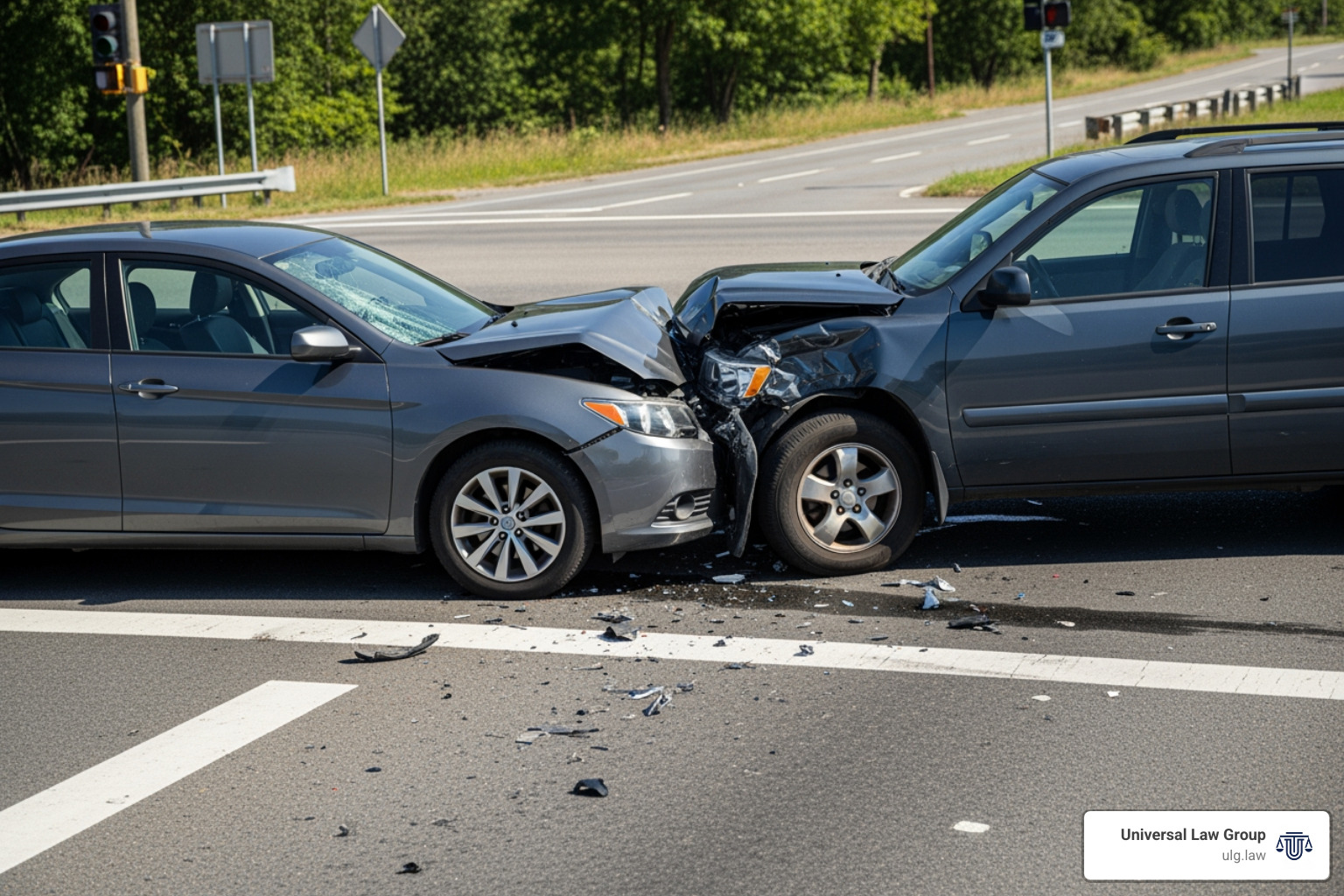
Is Car Insurance Required? A Practical Guide
Understanding Your Legal Obligation to Carry Auto Insurance
Is car insurance required? Yes, in nearly every U.S. state, including Texas, car insurance is legally required for all drivers. This requirement exists to ensure that drivers can financially compensate others for injuries and property damage they cause in accidents.
Quick Answer:
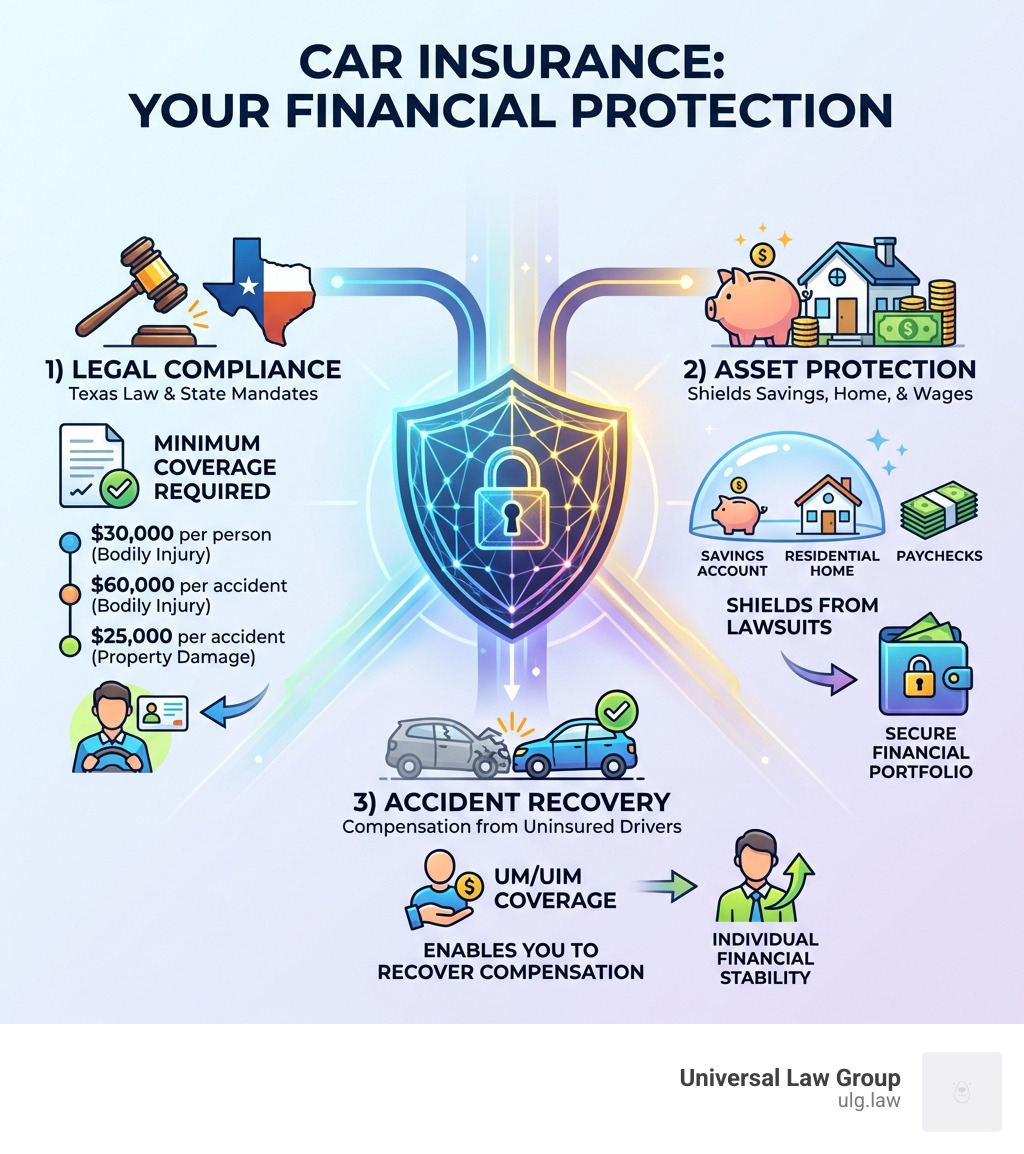
- Texas Law: All drivers must carry minimum liability insurance of $30,000 per person for bodily injury, $60,000 per accident, and $25,000 for property damage.
- Legal Requirement: Operating a vehicle without insurance is a misdemeanor offense.
- Proof Required: You must be able to show proof of insurance when stopped by police, during vehicle registration, or after an accident.
- Penalties: Driving uninsured can result in fines starting at $175, license suspension, vehicle impoundment, and personal liability for all accident damages.
This isn’t just about following the law—it’s about protecting yourself from devastating financial consequences. If you cause an accident without insurance, you are personally liable for all damages. This can lead to lawsuits that drain your savings, garnish your wages, and force you to sell assets. With approximately 13.8% of Texas drivers uninsured, the risk is real.
Texas operates under an “at-fault” system, meaning the driver who causes an accident is financially responsible for the harm. Car insurance is the financial safety net that covers these costs, which can easily exceed $100,000 in a serious collision. Without it, most people would face financial ruin.
I’m Brian Nguyen, Managing Partner at Universal Law Group, and I’ve spent years helping Texans steer the complex intersection of insurance law and accident liability. As a former Assistant District Attorney who prosecuted cases involving uninsured drivers, I’ve seen how the question is car insurance required extends far beyond a simple yes or no—it’s about understanding your legal obligations, protecting your assets, and ensuring you have recourse when others fail to meet their responsibilities.
Why Is Car Insurance Required in the United States?
The requirement for car insurance in the U.S., and specifically in Texas, is rooted in the principle of financial responsibility. State law, under the Texas Transportation Code, mandates that drivers must be able to pay for any damages or injuries they cause. While there are other ways to prove this, purchasing a liability insurance policy is the most common and practical method.
Texas is an “at-fault” state, meaning the driver responsible for an accident is financially liable for all resulting costs, including medical bills, lost wages, and property damage. Without insurance, this liability falls directly on your personal assets, exposing your savings, home, and future wages to lawsuits. Furthermore, if you finance or lease a vehicle, your lender will require you to carry full coverage (collision and comprehensive) to protect their investment.
Texas also follows a “modified comparative fault” rule (the “51% rule”). This means you can recover damages even if you are partially at fault, as long as your share of the blame is 50% or less. However, your compensation is reduced by your percentage of fault, highlighting the need for adequate coverage. For a broader understanding of how car insurance laws vary, you can explore resources like this guide on State-by-state car insurance laws. Our focus, however, remains on Texas law.
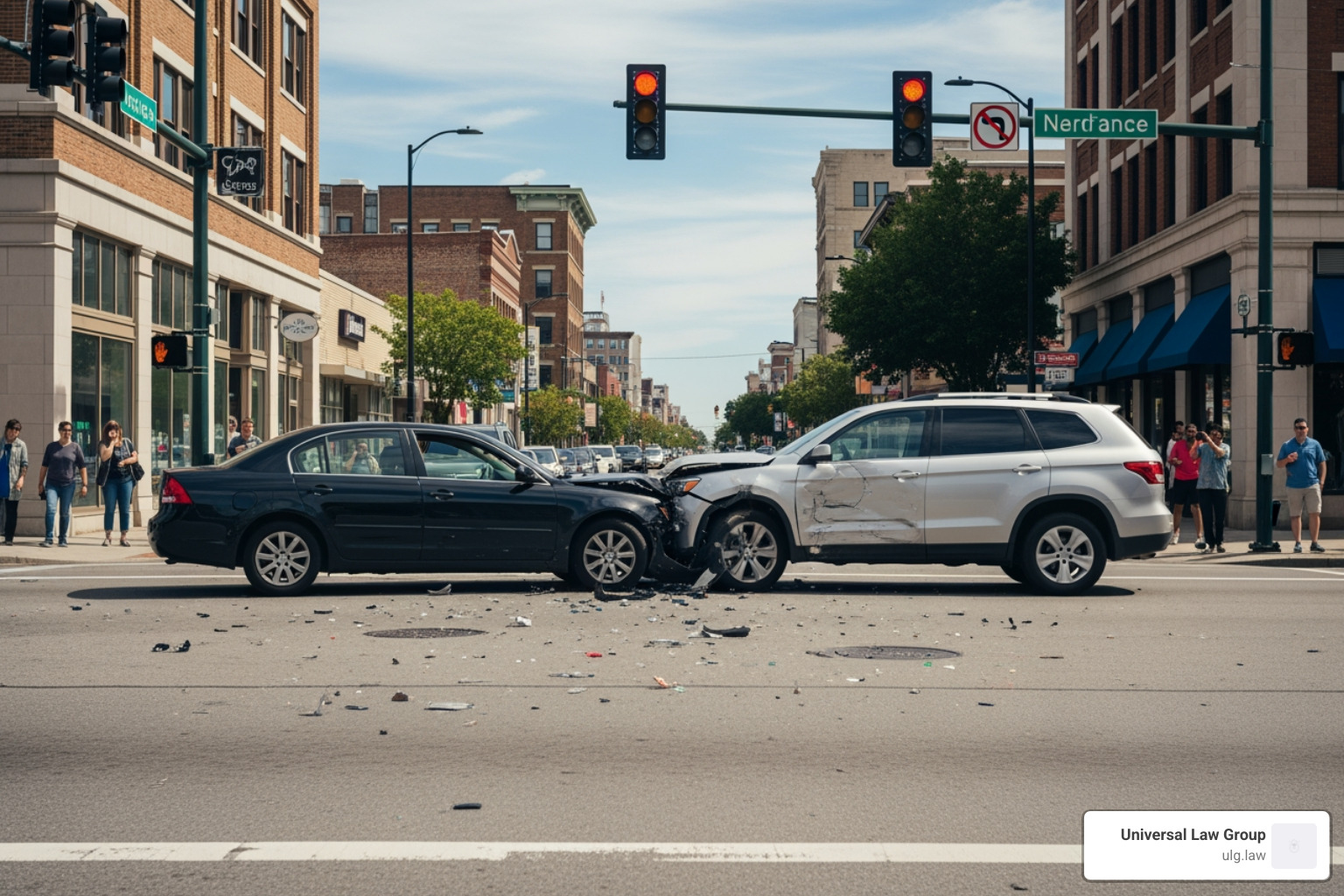
Understanding “Financial Responsibility” in Texas
In Texas, “financial responsibility” is a strict legal requirement. It means every driver must prove they can pay for damages they might cause. Car insurance is the primary, expected, and legally mandated way to demonstrate this. When you’re pulled over, in an accident, or renewing your vehicle registration, you’ll be asked for proof of insurance. This isn’t a formality; it’s the state ensuring a financial mechanism is in place to compensate victims if you cause harm.
At-Fault vs. No-Fault Systems Explained
Understanding the difference between insurance systems is crucial. Texas is an “at-fault” (or “tort”) state, which is a critical distinction from “no-fault” systems.
- In an at-fault state like Texas: The driver who caused the accident is responsible for paying for everyone’s injuries and property damage. Victims file claims against the at-fault driver’s liability insurance. Determining who is at fault is the most important step in any claim.
- In a no-fault state: Drivers file claims with their own insurance for their own injuries, regardless of fault, through Personal Injury Protection (PIP). This system is meant to speed up payments for minor injuries.
Because Texas is an at-fault state, establishing liability is essential. As former prosecutors, our team at Universal Law Group excels at investigating accidents and proving fault to secure compensation for our clients. For more details on how claims are handled, visit our page on More info about car accident claims.
Minimum Car Insurance Requirements in Texas
Now that we understand why car insurance is required, let’s look at the specifics for Texas drivers. The Texas Department of Insurance (TDI) sets the minimum liability coverage requirements, often called “30/60/25”:
- $30,000 for Bodily Injury Liability per person: The maximum your policy will pay for one person’s injuries in an accident you cause.
- $60,000 for Bodily Injury Liability per accident: The maximum total your policy will pay for all injuries in a single accident you cause.
- $25,000 for Property Damage Liability per accident: The maximum your policy will pay for damage to another’s property in an accident you cause.
These minimums are often insufficient for a serious accident, potentially leaving you personally liable for costs exceeding these limits. Texas law also requires insurers to offer Uninsured/Underinsured Motorist (UM/UIM) Coverage and Personal Injury Protection (PIP). You can reject these in writing, but we strongly advise against it.
Here’s a quick comparison to illustrate the gap between minimum and recommended coverage:
| Coverage Type | Texas Minimum Liability (30/60/25) | Recommended Coverage (for adequate protection) |
|---|---|---|
| Bodily Injury per person | $30,000 | $100,000 – $250,000 |
| Bodily Injury per accident | $60,000 | $300,000 – $500,000 |
| Property Damage per accident | $25,000 | $50,000 – $100,000 |
| UM/UIM | Offered (can reject) | Highly Recommended (at least 100/300/50) |
| PIP | Offered (can reject) | Highly Recommended |
For more detailed information, you can consult the TDI’s guide on required coverage.
Decoding Your Policy: What Do These Coverages Mean?
Understanding your policy is key. Here’s what the main coverages mean in Texas:
- Bodily Injury Liability (BI): Pays for medical bills, lost wages, and pain and suffering for people you injure in an accident.
- Property Damage Liability (PD): Pays for damage you cause to someone else’s property, like their car or a fence.
- Uninsured/Underinsured Motorist (UM/UIM): This is vital coverage that protects you if you’re hit by a driver with no insurance (UM) or not enough insurance (UIM) to cover your bills. It covers your medical expenses, lost wages, and property damage. We strongly advise against rejecting this coverage.
- Personal Injury Protection (PIP): Covers your own medical bills and lost wages (and your passengers’) regardless of who is at fault. It provides immediate funds without waiting for a fault determination.
Relying on the 30/60/25 minimums is risky. A single serious injury or damage to a newer vehicle can easily exceed these limits, leaving you personally liable for the rest. That $30,000 BI limit may not cover surgery, and $25,000 for PD might not replace a totaled modern car.
Is “Full Coverage” a Legal Requirement?
The term “full coverage” isn’t a legal one, but it’s commonly used to describe a policy that includes liability insurance plus Collision and Comprehensive coverage.
- Collision Coverage: Pays for damage to your own car from a collision with another vehicle or object.
- Comprehensive Coverage: Pays for damage to your car from non-collision events like theft, vandalism, fire, or hail.
While the state of Texas only legally requires liability insurance, “full coverage” is not a state mandate. However, if you have a loan or lease on your vehicle, your lender will almost certainly require you to carry both collision and comprehensive coverage to protect their investment until the loan is paid off. If you own your car outright, the choice is yours, but it’s a wise investment for newer or more valuable vehicles.
The High Cost of Non-Compliance: Penalties for Driving Without Insurance
Ignoring the legal requirement for car insurance in Texas is a misdemeanor offense with escalating penalties. The consequences are not just a simple ticket; they involve significant financial and legal burdens that grow with each infraction.
- First Offense: You can expect fines from $175 to $350, plus an annual DPS surcharge of $250 for three years (totaling $750). You will also likely be required to get an SR-22 certificate, which proves you have high-risk insurance and leads to higher premiums.
- Subsequent Offenses: The penalties increase sharply. Fines jump to between $350 and $1,000. Your driver’s license can be suspended for up to two years, and your vehicle may be impounded, adding towing and storage fees to your costs. The SR-22 requirement and annual surcharges remain.
These penalties are separate from the most devastating consequence: personal liability. If you cause an accident while uninsured, you are personally responsible for all damages. Our criminal defense team at Universal Law Group understands these charges and can provide guidance. For more information, please visit our page on More info about criminal defense services.
First Offense vs. Subsequent Offenses in Texas
The Texas legal system is designed to deter repeat offenses for driving without insurance. As outlined above, the penalties for a first offense are substantial, but they escalate significantly for any subsequent offense, creating a much larger legal and financial hole for the driver.
First Offense Penalties:
- Fines: $175 to $350.
- Surcharges: A $250 annual surcharge for three years (total $750).
- SR-22 Requirement: Maintain an SR-22 filing for at least two years.
Subsequent Offense Penalties:
- Increased Fines: $350 to $1,000.
- Mandatory License Suspension: Up to two years.
- Vehicle Impoundment: Your vehicle may be impounded at your expense.
The state’s message is clear: maintain your insurance. These penalties can quickly trap individuals in a cycle of debt and legal trouble.
What Happens if You Cause an Accident While Uninsured?
This is where the financial consequences become truly catastrophic. If you cause an accident in Houston while uninsured, you face potential financial ruin. Because Texas is an at-fault state, you are personally responsible for every dollar of damage.
This can lead to:
- Direct Lawsuits: The injured parties will sue you directly for their medical bills, car repairs, lost wages, and pain and suffering.
- Asset Seizure & Wage Garnishment: If a court judgment is entered against you, your savings, investments, and even your home could be at risk. Your wages can be garnished for years to pay off the debt.
- No Coverage for Yourself: You will have no insurance to cover your own medical bills or vehicle repairs. You must pay for everything out-of-pocket.
Navigating this process without an insurance company’s legal team is daunting. At Universal Law Group, we’ve seen how a single accident can devastate an uninsured family. Our personal injury attorneys are experienced in both pursuing and defending against these claims. If you’re in this difficult situation, visit our page on More info about personal injury cases to understand your options.
What to Do After an Accident With an Uninsured Driver
Even if you have insurance, you could be hit by one of the many uninsured drivers in Texas. It’s a frustrating situation, but taking these steps can protect you:
- Ensure Safety First: Move to a safe location if possible. Check for injuries and call 911.
- Report to Police: Always call the police. A police report documenting the other driver’s uninsured status is crucial for your claim.
- Exchange Information: Get the other driver’s name, contact information, and license plate number. Note if they admit to being uninsured. Avoid discussing fault.
- Document the Scene: Take photos of the vehicles, damage, accident scene, and any injuries.
- Seek Medical Attention: Get checked by a doctor, as some injuries appear later.
- Notify Your Insurer: Report the accident to your insurance company as soon as possible.
- Contact an Attorney: An experienced attorney can guide you through the complex process of an uninsured motorist claim.
The biggest challenge is collecting damages. While you can sue the uninsured driver, they often lack assets to pay a judgment. This is where your own insurance is key.
Utilizing Your Uninsured/Underinsured Motorist (UM/UIM) Coverage
This is precisely why Uninsured/Underinsured Motorist (UM/UIM) coverage is so important. This part of your policy is designed to cover your damages when the at-fault driver has no insurance (UM) or not enough insurance (UIM).
To use it, you file a claim with your own insurance company. You will still need to prove:
- The other driver was at fault.
- The other driver was uninsured or underinsured.
- The extent of your damages.
Be aware that even though it’s your own insurer, they may try to minimize the payout. Their goal is to protect their bottom line. An experienced attorney can be invaluable in negotiating with your insurer to ensure you receive the full compensation you’re entitled to under your policy.
When to Consider a Lawsuit
Sometimes, your damages may exceed your UM/UIM policy limits, or your insurer may refuse a fair settlement. In these cases, a lawsuit might be necessary.
Our team at Universal Law Group evaluates several factors before recommending a lawsuit:
- The Driver’s Assets: Does the uninsured driver have assets (property, savings) that could satisfy a judgment? This is often a challenge.
- Third-Party Liability: We investigate if other parties share fault. This could be an employer (if the driver was on the job), the vehicle’s owner, or even a government entity for unsafe road conditions.
- Uncovering Recovery Sources: As former prosecutors, we are skilled at investigating and finding all potential sources of recovery, including hidden assets or other liable parties’ insurance policies.
Suing an uninsured driver is complex, but it can be the only way to get fully compensated. Our personal injury attorneys are equipped to evaluate your case and pursue every available avenue, including complex cases involving commercial vehicles. For more on this, see our resources on More info about truck accident cases.
Frequently Asked Questions About Texas Car Insurance
We often hear many questions about car insurance, especially concerning the specifics of Texas law. Here are some of the most common ones we address:
How do I prove I have car insurance in Texas?
In Texas, you must provide proof of financial responsibility when requested by law enforcement, during a vehicle inspection, or after an accident.
Acceptable forms of proof include:
- A physical or digital insurance ID card (allowed on a smartphone).
- A copy of your current insurance policy’s declaration page.
- A temporary insurance binder if your policy is new.
While Texas uses an electronic verification system (TexasSure), you should always carry one of these forms of proof with you.
Does my insurance cover me if I drive someone else’s car?
Generally, in Texas, insurance follows the car, not the driver. If you borrow someone’s car with their permission (“permissive use”), their auto insurance is the primary coverage in an accident. However, be aware of limitations. The owner’s policy might exclude certain drivers, or their coverage limits might be too low to cover all damages. In that case, your own auto policy might act as secondary coverage. If you frequently drive but don’t own a car, consider a “non-owner” policy for liability protection. Always confirm coverage before borrowing a vehicle.
Will my rates go up if I’m in an accident that wasn’t my fault?
Generally, your rates should not increase after an accident in Texas that was not your fault. Your insurer will typically seek reimbursement from the at-fault driver’s insurance company through a process called subrogation. However, your rates could be affected if fault is disputed, if you have a history of frequent claims (even not-at-fault ones), or if you file a claim under your own UM/UIM coverage. If you believe your rates were unfairly raised after a not-at-fault accident, you should discuss it with your provider or an attorney.
Protecting Your Future on the Road
The question is car insurance required has a resounding “yes” in Texas, but as we’ve explored, it’s far more than a simple legal checkbox. It’s a fundamental aspect of responsible driving, a critical shield for your financial well-being, and a necessary tool for navigating the complexities of accidents.
Being uninsured or underinsured in Texas exposes you to monumental risks – from steep fines and license suspension to devastating personal lawsuits that can strip away your assets and future earnings. Conversely, having adequate coverage, including UM/UIM and PIP, proactively protects you and your family from the irresponsible actions of others.
At Universal Law Group, we understand that even with insurance, accidents can be life-altering events. We’ve dedicated our careers to helping Texans steer the aftermath, whether it’s defending against criminal charges related to uninsured driving or fighting for maximum compensation in complex personal injury claims. Our former prosecutor experience gives us a unique edge in investigating cases, understanding legal strategies, and maximizing our clients’ settlements.
Don’t let uncertainty about car insurance or the aftermath of an accident leave you vulnerable. We are here to provide personalized, efficient, and responsive legal services. If you’ve been in an accident and need to understand your rights, contact our experienced Houston car accident attorneys for a consultation. We’re here to help you protect your future on the road.
About the Author