

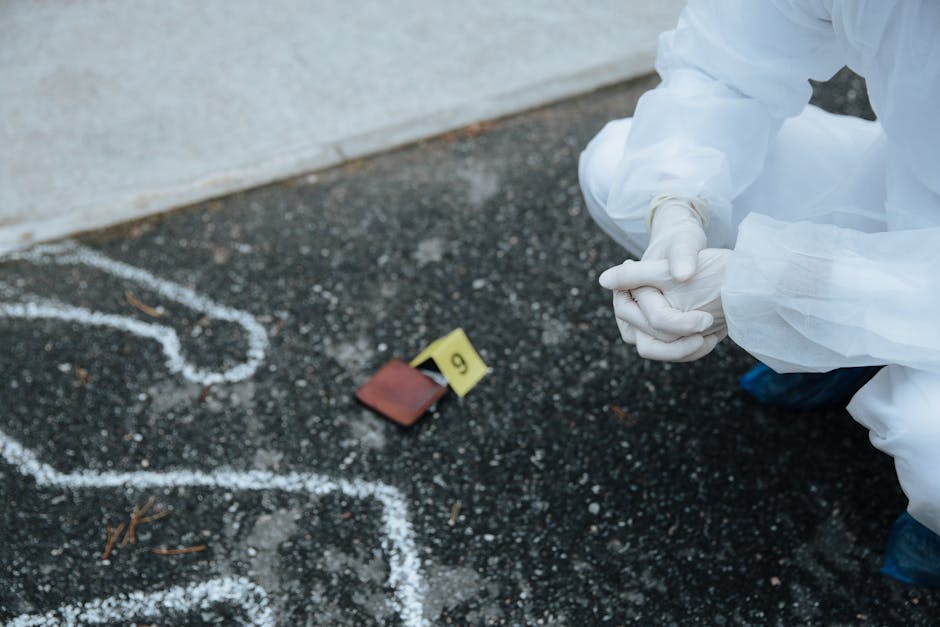
A Practical Guide to Fatal Accident Investigations
Understanding the Fatal Accident Investigation Process
A fatal accident investigation is a comprehensive process designed to determine the cause of a crash that resulted in death, identify all contributing factors, and provide answers to grieving families while improving road safety. When tragedy strikes, understanding how investigators uncover the truth can help families steer an incredibly difficult time.
Key stages of a fatal accident investigation include:
- On-Scene Response – Law enforcement secures the scene, preserves evidence, and documents initial findings.
- Evidence Collection – Physical evidence, witness statements, and vehicle data are gathered.
- Forensic Analysis – Accident reconstructionists, medical examiners, and other experts analyze the evidence.
- Investigation Report – Findings are compiled into a report detailing the cause and contributing factors.
- Legal Review – Prosecutors evaluate evidence for criminal charges, while families may pursue civil claims.
Fatal accident investigations differ from standard crash investigations in several critical ways:
- They involve mandatory notification of specialized units and the Medical Examiner.
- Investigations are far more thorough, often taking weeks or months.
- Multiple agencies may collaborate, including the NTSB in major incidents.
- Both criminal and civil liability are closely examined.
- With approximately 42,000 people dying in U.S. car accidents annually, these investigations are a crucial part of our justice system. In Texas, for example, there were over 4,400 traffic-related deaths in 2022, highlighting the critical importance of these investigations on our local roadways.
The purpose of these investigations is to honor the deceased, provide closure, hold negligent parties accountable, and identify systemic issues to prevent future tragedies.
I’m Brian Nguyen, Managing Partner at Universal Law Group, where I lead our criminal defense and personal injury divisions. With experience as a former Assistant District Attorney who prosecuted vehicular crimes and over a decade representing accident victims, I understand the fatal accident investigation process from both sides and know how critical thorough investigations are to achieving justice.

On-Scene Investigation: The First Critical Hours
The moments immediately following a fatal accident are chaotic but critical for the foundation of any fatal accident investigation. First responders work to secure the scene, provide aid, and begin the meticulous process of preserving evidence. Their initial actions are crucial for determining what happened and why.
When law enforcement arrives, their primary goals are to ensure safety, render aid, and begin the investigation. This involves several immediate steps:
- Securing the Scene: Officers cordon off the area to prevent further accidents and preserve the integrity of the scene. This may involve road closures, which are essential for a thorough investigation.
- Preserving Evidence: Everything at the scene is potential evidence. Officers document the positions of vehicles, debris, and victims before anything is moved, using extensive photographs, measurements, and sketches.
- Emergency Medical Response: Paramedics provide immediate medical attention to survivors. In a fatal accident, their role often shifts to confirming fatalities and assisting the Medical Examiner.
- Identifying and Interviewing Witnesses: Anyone who saw the accident is a potential witness. Officers gather initial statements while memories are fresh.
- Notifying Next of Kin: Law enforcement undertakes the difficult but necessary duty of identifying the deceased and delivering the heartbreaking news to their families.
As the National Safety Council emphasizes, thorough incident investigations focus on identifying and correcting root causes, not just finding fault. This principle is especially true for a fatal accident investigation, which aims to prevent future tragedies. If you or a loved one have been involved in a serious car accident, understanding these initial steps is key. Our firm offers dedicated car accident services to help guide you through this difficult time.
What Law Enforcement Gathers Immediately
At the scene, law enforcement collects a mosaic of information to paint a detailed picture of the incident, including:
- Driver and Vehicle Information: Licenses, registration, insurance details, and a preliminary assessment of vehicle damage.
- Skid Marks and Debris Fields: The length and direction of tire marks and the location of debris can indicate speed, braking, and the point of impact.
- Road and Weather Conditions: Investigators note if the road was wet, icy, or had hazards, and document conditions like rain, fog, or sun glare.
- Traffic Control Devices: The presence and status of traffic lights, stop signs, and other signals are recorded.
Every piece of this evidence is cataloged and preserved, forming the basis of the official accident report.
The Importance of Witness Testimonies
Witness testimonies are invaluable to a fatal accident investigation. While physical evidence provides objective facts, human accounts offer crucial context.
- First-hand Accounts: Witnesses can describe events leading up to the crash, driver behavior, and vehicle speeds.
- Corroborating Evidence: Statements can help confirm or challenge interpretations of physical evidence.
- Identifying Driver Behavior: Witnesses are often the only source of information regarding distracted or reckless driving.
- Memory Considerations: Investigators are trained to account for the fallibility of human memory. They interview multiple witnesses and cross-reference their accounts with physical evidence to build a reliable narrative.
For those seeking justice, preserving witness information is a critical step our attorneys can assist with as part of our civil litigation services.
The Comprehensive Fatal Accident Investigation Process
Once the on-scene work is complete, the fatal accident investigation moves to an in-depth, analytical phase. Specialized teams dig deeper into the evidence, often with collaboration between multiple agencies. The National Transportation Safety Board (NTSB), for instance, may investigate major incidents like large truck crashes, issuing safety recommendations in their official investigation reports.
Forensic Analysis and Physical Evidence
Physical evidence undergoes rigorous forensic analysis to provide objective insights into the crash dynamics.
- Evidence Collection: Specialized tools like laser scanners create 3D models of the scene, preserving every detail for later analysis.
- Chain of Custody: A strict chain of custody is maintained for all evidence to ensure its integrity for legal proceedings.
- Vehicle Inspections: Impounded vehicles are thoroughly inspected for structural damage, safety system performance, and potential mechanical failures, such as faulty brakes or tires.
- Tire Mark and Debris Analysis: Experts analyze tire marks (skids, yaws) and debris patterns to confirm the point of impact and understand vehicle movements.
These detailed analyses are crucial in complex cases, and our truck accident attorneys have experience investigating such incidents.
The Role of an Accident Reconstructionist in a fatal accident investigation

When a fatal accident investigation requires deeper scientific understanding, an accident reconstructionist is often called. These experts use physics and engineering to recreate the collision.
Their work involves:
- Applying Physics and Engineering Principles: Using laws of motion and energy to analyze vehicle dynamics.
- Determining Vehicle Speeds: Calculating how fast vehicles were traveling using crush damage, skid marks, and other data.
- Recreating the Event Sequence: Building a step-by-step timeline of the accident, from pre-impact maneuvers to final resting positions.
- Assessing Avoidance Possibilities: Evaluating whether a driver could have reasonably avoided the crash.
As noted in Plaintiff Magazine, these experts use scientific principles to determine factors like vehicle speeds and movements. Their findings are crucial evidence in both criminal and civil proceedings.
Analyzing Digital Evidence: Black Boxes and Surveillance Footage
Digital evidence plays a monumental role in modern fatal accident investigations.
- Event Data Recorders (EDRs): A vehicle’s “black box” records critical data in the seconds before a crash, including speed, braking, steering inputs, and seatbelt usage. The NHTSA’s SCI XML Case Viewer provides public access to such crash data.
- Surveillance and Dashcam Footage: Video from traffic cameras, nearby businesses, or personal dashcams can provide an objective view of the accident.
- Cell Phone Records: These can indicate if a driver was texting or talking on the phone at the time of the crash, establishing distracted driving.
The Significance of Medical and Toxicology Reports
In any fatal accident investigation, medical and toxicology reports are paramount. They answer how the person died and what substances might have influenced a driver’s actions.
- Medical Examiner’s Role: The Medical Examiner or Coroner determines the official cause and manner of death through an autopsy.
- Autopsy Findings: The autopsy details all fatal injuries, such as blunt force trauma and internal damage.
- Toxicology Reports: These reports analyze blood for substances that could impair judgment, including alcohol (Blood Alcohol Content or BAC), recreational drugs, or prescription medications.
These reports are critical in determining if a driver was impaired, which can lead to criminal charges such as DWI. Our firm provides experienced defense for those facing DWI charges.
Timeline, Legal Review, and Common Causes
The journey from a tragic accident to a complete fatal accident investigation report and potential legal action can be lengthy. Understanding the timeline, legal procedures, and common causes is crucial for those affected. Data from sources like the Texas Department of Transportation (TxDOT) is essential for understanding crash trends and for individual investigations.
How Long Does a Fatal Accident Investigation Take?
There’s no single answer to how long a fatal car accident investigation takes. The timeline can range from a few weeks to several months, or even longer for highly complex cases. Factors influencing the timeline include:
- Accident Complexity: A multi-vehicle pile-up will take longer to investigate than a single-vehicle crash.
- Number of Parties: More vehicles and individuals mean more evidence to analyze.
- Hit-and-Run Cases: Investigations are prolonged when law enforcement must first identify and locate a driver who fled the scene.
- Resource Availability: The caseloads of investigators, forensic labs, and medical examiners can impact the speed of an investigation.
From Investigation to Prosecution: The Legal Path Forward
Once the fatal accident investigation is complete, the evidence moves to the district attorney’s office for legal review to determine if criminal charges are warranted.
- Prosecutor’s Review: A prosecutor examines all reports and evidence to see if it’s sufficient to prove a crime was committed beyond a reasonable doubt.
- Potential Criminal Charges: Depending on the evidence, charges could include Vehicular Manslaughter, Criminally Negligent Homicide, or Intoxication Manslaughter.
- Grand Jury Indictment: In Texas, felony charges like Intoxication Manslaughter require a grand jury to review the evidence and issue an indictment before the case proceeds.
This criminal path is distinct from any civil claim. For those facing such serious charges, experienced legal defense is critical. Our attorneys provide robust defense services for serious vehicular crimes, including homicide.
Uncovering Common Contributing Factors to Fatal Accidents
Investigations frequently uncover common contributing factors. Understanding these is essential for prevention and accountability.
Common causes of fatal accidents include:
- Speeding: A major factor in fatal crashes, as it reduces reaction time and increases impact force.
- Distracted Driving: Texting, talking on the phone, or any other activity that takes a driver’s focus off the road.
- Driving Under the Influence (DUI/DWI): Alcohol and drug impairment severely compromise a driver’s judgment and coordination.
- Reckless Driving: Aggressive maneuvers, tailgating, or ignoring traffic laws.
- Driver Fatigue: Drowsy driving can be as dangerous as impaired driving.
- Poor Road Conditions or Vehicle Defects: Potholes, lack of signage, or mechanical failures like faulty brakes can cause a crash.
The aftermath of a fatal car accident is an incredibly difficult time, marked by grief and financial strain. For families who have lost a loved one, knowing what steps to take is crucial for preserving your rights and seeking justice.
What Information Is in a Fatal Accident Investigation Report?
The official fatal accident investigation report, generated by law enforcement, is a cornerstone document. A comprehensive report generally includes:
- Date, Time, and Location of the accident.
- Involved Parties’ Details: Names, contact information, and insurance details.
- Witness Statements: Summaries of accounts from eyewitnesses.
- Diagram of the Accident: A visual representation of the scene, showing vehicle positions and points of impact.
- Officer’s Narrative: A written description of the accident and the officer’s preliminary determination of contributing factors.
- Citations Issued: Any traffic citations given to involved drivers.
These reports are accessible through agencies like the Texas Department of Public Safety (TxDPS). Broader data on severe crashes is also available through resources like the NHTSA’s SCI Reports.
How a Wrongful Death Attorney Can Help
If you have lost a loved one due to someone else’s negligence, a wrongful death attorney can be an invaluable ally. We are here to guide you through the complex legal process.
Our role includes:
- Independent Investigation: We conduct our own investigation, often hiring private experts to ensure no stone is left unturned.
- Preserving Evidence: We act quickly to secure crucial evidence like black box data and surveillance footage.
- Dealing with Insurance Companies: We handle all communications with insurers to protect your rights and prevent you from accepting a lowball offer.
- Identifying All Liable Parties: We look beyond the driver to identify other potentially responsible parties, such as vehicle manufacturers or employers.
- Calculating Damages: We carefully calculate all damages, including medical and funeral costs, lost income, and loss of companionship.
- Filing a Wrongful Death Claim: We prepare and file all necessary legal documents, adhering to strict deadlines.
- Navigating the Legal System: We represent you in negotiations and in court, fighting to maximize your recovery.
Our goal is to hold negligent parties accountable and secure the financial compensation your family deserves. Learn more about how a wrongful death attorney can help.
Frequently Asked Questions about Fatal Accident Investigations
We often encounter common questions from families struggling after a fatal accident. Here are some frequent inquiries regarding fatal accident investigations:
What is the difference between a fatal accident investigation and a regular crash investigation?
A fatal accident investigation is far more intensive than a regular crash investigation. The key differences are the severity of the outcome (a death) and the potential for serious criminal charges like vehicular manslaughter. This triggers a deeper level of analysis involving specialized units like homicide detectives, accident reconstructionists, and the Medical Examiner’s office, which is mandatory in a fatal crash.
Can I get a copy of the fatal accident investigation report?
Yes, you can generally obtain a copy of the official fatal accident investigation report. In Texas, these reports are public records. You can request a copy from the investigating law enforcement agency (e.g., Houston Police Department) or through the Texas Department of Transportation (TxDOT) portal. Be aware that some information may be redacted if the investigation is ongoing. An attorney can often help expedite this process and ensure you receive all available documentation.
What happens if the investigation finds no one was at fault?
While rare, it’s possible for an investigation to conclude that no single party was criminally at fault. In such cases, prosecutors may decline to file charges. However, this does not mean there is no path to justice. The standard of proof for civil liability (negligence) is lower than for a criminal case. A driver could still be found financially responsible in a civil wrongful death lawsuit. Other possibilities include an unforeseeable mechanical failure, where a manufacturer could be liable, or a sudden, incapacitating medical emergency suffered by the driver.
Why Closure Matters: The Community Impact and Seeking Justice

The conclusion of a fatal accident investigation and any subsequent legal proceedings offer more than just a legal outcome; they provide a path to closure for grieving families and contribute to community safety.
- The Need for Answers: Families desperately need to understand what happened. A thorough investigation provides these answers, which is a crucial step in the healing process.
- Holding Negligent Parties Accountable: Justice means holding those whose negligence caused a death responsible for their actions, whether through criminal penalties or civil damages. This sends a clear message that reckless behavior has serious consequences.
- Preventing Future Tragedies: A comprehensive fatal accident investigation can identify systemic flaws in roadway design, vehicle manufacturing, or driver behavior, leading to safety improvements that can prevent similar accidents.
- Honoring the Deceased: For many families, the pursuit of justice is a way to honor their loved one’s memory, ensuring their death was not in vain.
At Universal Law Group, we understand the profound importance of this process. We are committed to providing personalized and responsive service, leveraging our experience to help families in Houston, TX, steer these traumatic times. We fight for the maximum compensation our clients deserve, ensuring that their loved ones’ legacies are respected through the pursuit of justice.
If you are facing the devastating loss of a loved one in a fatal accident, you do not have to face the complex investigation and legal process alone. We are here to help. Contact us for a free consultation.
About the Author

