

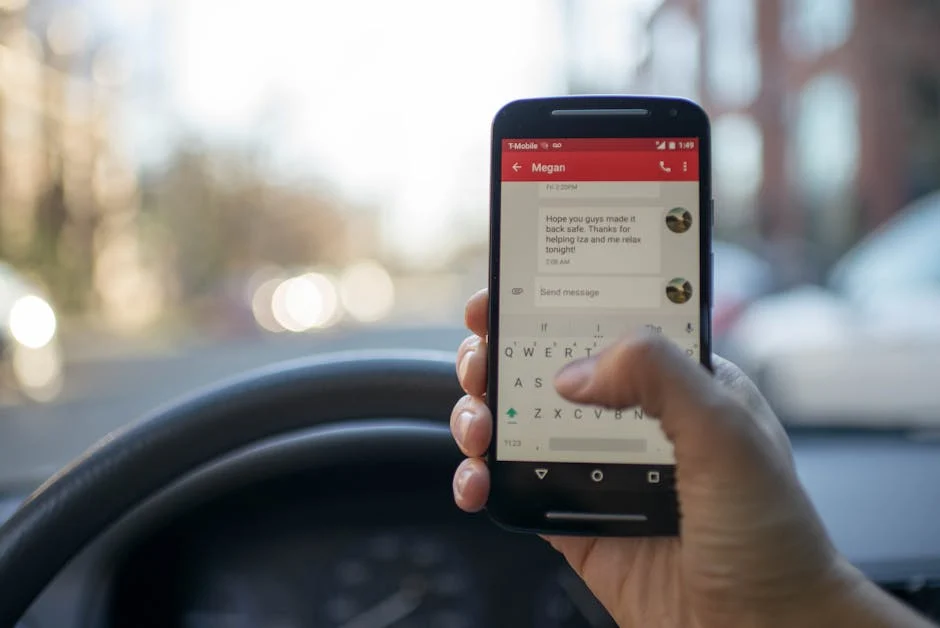
Beyond the Wheel: How Distracted Driving Death Statistics Impact Us All
Why Distracted Driving Death Statistics Matter to Every Road User
Distracted driving death statistics reveal a preventable epidemic on American roads. In 2023 alone, 3,275 people were killed in crashes involving distracted drivers, which translates to about nine deaths every single day. These aren’t just numbers; they represent parents, children, and friends whose lives were cut short because a driver took their eyes, hands, or mind off the road.
Any activity that diverts attention from driving is a distraction. Researchers classify them into three types: visual (eyes off the road), manual (hands off the wheel), and cognitive (mind off driving). Texting is especially dangerous as it involves all three. The data shows that any form of distraction can multiply your crash risk significantly.
What’s more alarming is that these official figures likely underestimate the true scope of the problem. Drivers rarely admit to being distracted after a crash, making it difficult for law enforcement to record it as a factor. The actual toll is almost certainly higher.
As attorneys at Universal Law Group, we’ve seen how these statistics translate into real human tragedy for families in Houston. Understanding the data is the first step toward recognizing the preventable nature of these crashes and the urgent need for accountability. This article will explore the numbers, the causes, the costs, and the solutions to this public safety crisis.

The Sobering Numbers: What Are the Latest Distracted Driving Death Statistics?
The latest distracted driving death statistics from the National Highway Traffic Safety Administration (NHTSA) paint a grim picture. In 2023, 3,275 people were killed in crashes involving distracted drivers, accounting for 8% of all traffic fatalities. This equates to approximately nine people killed every day in the U.S. by a preventable distraction. The victims aren’t just drivers; in 2022, 621 nonoccupants, including pedestrians and cyclists, lost their lives in these crashes.
At Universal Law Group, we see the devastating aftermath of these incidents in our Houston community. When negligence behind the wheel leads to a fatality, it leaves a void that can never be filled. Holding responsible parties accountable is a crucial step toward justice. For more information on the tragic outcomes of road incidents, you can learn about Fatal Car Accident Texas.
How have fatality rates changed over the last decade?
Analyzing trends over the last decade reveals a complex problem. While there was a 6% decrease in distraction-related fatalities from 2021 to 2022, the broader trend is concerning. Fatal crashes involving distraction have actually increased by 4% since 2013. This indicates that despite some progress, the overall problem persists.
Driver behavior has also shifted. While observed hand-held cell phone use while driving has decreased, the manipulation of electronic devices (texting, using apps) has increased by 82% between 2013 and 2022. This shows that the nature of distraction is evolving with technology, presenting a continuous challenge for road safety. For a deeper dive into these trends, the NSC data analysis provides valuable context.
Why are these distracted driving death statistics likely underreported?
Official distracted driving death statistics almost certainly don’t capture the full scale of the problem. As legal professionals, we know the data is incomplete for several key reasons:
- Underreporting by Drivers: After a crash, drivers are unlikely to admit to police that they were distracted, fearing legal consequences. This self-reporting bias means many cases go unrecorded.
- Lack of Evidence: Unlike a breathalyzer for alcohol, there is often no physical proof of distraction at a crash scene. Unless a witness saw the driver on their phone, it’s difficult for law enforcement to confirm.
- Police Report Limitations: Inconsistent reporting methods across jurisdictions and difficulties in identifying the specific type of distraction mean that official data can be incomplete. Obtaining a Houston Police Department Accident Report can be a first step, but it may not tell the whole story.
These factors combine to create a significant gap between the reported statistics and the tragic reality on our roads.
What Counts as Distracted Driving?
Distracted driving is any activity that pulls a driver’s attention away from operating a vehicle safely. Researchers categorize distractions into three main types:
- Visual Distraction: Taking your eyes off the road (e.g., looking at a phone, GPS, or passenger).
- Manual Distraction: Taking your hands off the steering wheel (e.g., texting, eating, or adjusting the radio).
- Cognitive Distraction: Taking your mind off driving (e.g., daydreaming, having an intense conversation, or being emotionally upset).
Activities like eating, grooming, or even interacting with children in the backseat can be dangerous because they demand attention. Even something as simple as daydreaming can lead to a fatal crash. The law also takes various forms of distraction seriously, and if an activity diverts your focus, it’s dangerous. For instance, you might wonder, Is it Illegal to Wear Headphones While Driving?. The answer depends on local laws, but the principle remains: focus is paramount.
What is the role of cell phones in fatal crashes?

Cell phones are a primary culprit in distracted driving death statistics because they combine all three types of distraction. Sending or reading a text takes your eyes off the road for about 5 seconds. At 55 mph, that’s like driving the length of a football field blindfolded.
Research confirms the danger: crash risk is 2-6 times greater when drivers are manipulating a cellphone. This risk is even higher for young drivers. The numbers are stark: in 2022, there were 402 deaths in crashes involving cell phone use, which was 12% of all distraction-affected fatal crashes. These statistics are a grim reminder of the deadly consequences of this behavior. For a deeper look at this issue, review The Alarming Truth: Mobile Phone Use While Driving Statistics You Need to Know.
Who is Most at Risk? Demographics of Distracted Driving

While no one is immune, distracted driving death statistics show that young drivers are disproportionately at risk.
- Teen Drivers (15-20): This group has the largest proportion of drivers distracted at the time of a fatal crash. In 2023, 7% of teen drivers in fatal crashes were distracted. They are overrepresented among drivers distracted by cell phones in these crashes. An AAA study found that 58% of crashes involving teenagers were caused by driver distraction, highlighting their vulnerability due to inexperience and developing risk assessment skills.
- Young Adults (21-34): This age group is also overrepresented in distraction-affected fatal crashes. In 2023, drivers aged 25-34 accounted for 23% of all distracted drivers in fatal crashes, often due to habits related to constant connectivity.
A critical factor is parental influence. When teens see their parents driving while distracted, it undermines safety warnings. Leading by example is one of the most powerful prevention tools. Understanding the Common Causes of Car Accidents in Texas: What Happens? can provide a broader context for these risk factors.
The Ripple Effect: Economic and Societal Costs
The consequences of distracted driving extend far beyond the initial crash. The distracted driving death statistics are linked to staggering economic and societal costs that affect everyone.
The economic cost is immense. In 2019, distracted driving crashes cost the U.S. $98 billion in direct expenses. This figure includes medical bills, lost productivity from missed work, property damage, and legal and administrative fees. For families, this often means overwhelming financial strain on top of emotional trauma.
Beyond the direct costs, the societal harm is even greater. When factoring in quality-of-life valuations—which account for pain, suffering, and lost years of life—the total societal harm from these crashes in 2019 was estimated at $395 billion. This number attempts to quantify the immeasurable human cost of losing a loved one or living with a permanent disability.
At Universal Law Group, we see how these costs devastate Houston families. A single moment of distraction can lead to a lifetime of hardship. Understanding these figures is crucial for appreciating the full impact of distracted driving and for pursuing the compensation victims deserve. To learn more about the data behind traffic fatalities, explore these Fatal Crash Statistics: Understanding the Data Behind Traffic Safety.
Laws, Tech, and Prevention: How Can We Stop These Deaths?
Reducing distracted driving death statistics requires a combination of strong laws, smart technology, and effective prevention. As a law firm dedicated to justice, we advocate for a comprehensive approach.
What are the laws against distracted driving?
Most states, including Texas, have laws banning texting while driving, and many prohibit handheld cell phone use. You can find an overview of regulations on the Governors Highway Safety Association state law overview or in our Distracted Driving Laws in Texas: Your Guide. These laws are enforced either as a primary offense (police can pull you over for that reason alone) or a secondary offense (a ticket can be issued only after a stop for another violation). Penalties range from fines to severe criminal charges like vehicular manslaughter if the distraction causes injury or death. Studies show that strong, consistently enforced laws are effective deterrents.
Can technology solve the problem?
Technology is a double-edged sword. While it can be a source of distraction, it also offers solutions:
- Safety Features: Crash avoidance systems like automatic emergency braking and lane-keeping assist can intervene when a driver is inattentive.
- Driver Monitoring: Some vehicles use cameras to detect signs of distraction and alert the driver.
- Safer Integration: Systems like CarPlay and Android Auto, along with voice commands, aim to reduce manual and visual distraction, though cognitive distraction remains a risk.
- Blocking Apps: Apps can be installed to block texts and calls when a vehicle is in motion.
However, a technology paradox exists. Over-reliance on driver-assistance systems can lead to a false sense of security, making drivers more likely to be distracted, as highlighted in a AAA study on how ADAS can increase distraction. Technology helps, but it doesn’t replace a responsible driver.
What are the most effective prevention strategies?
Prevention relies on changing behavior. Key strategies include:
- Individual Responsibility: Commit to putting your phone away and focusing solely on driving. Taking a pledge, like those offered through NHTSA pledge resources, can reinforce this commitment.
- Positive Influence: Parents must set a good example for their children. Peers and passengers should feel empowered to speak up if a driver is distracted.
- Public Awareness: Campaigns like “U Drive. U Text. U Pay.” combined with high-visibility enforcement, help create a culture where distracted driving is socially unacceptable.
Frequently Asked Questions about Distracted Driving Death Statistics
Here are answers to some common questions we hear about distracted driving.
How many people die from texting and driving each year in the US?
While it’s hard to isolate deaths from “texting” alone, the distracted driving death statistics for overall cell phone use are clear. In 2022, 402 deaths were reported in crashes where cell phone use was a known distraction. This figure, which includes texting, talking, and app use, highlights the lethal risk of using a mobile device while driving.
Is talking on a hands-free device safe while driving?
No, it is not risk-free. While hands-free devices eliminate manual distraction, they still cause significant cognitive distraction. Research shows that engaging in a conversation, even hands-free, can lead to “inattention blindness,” where your brain doesn’t fully process what your eyes are seeing on the road. This cognitive load suppresses brain activity needed for safe driving and can cause you to miss critical hazards. For more on this, see this Research on cognitive distraction and brain activity.
What should I do if I’m in an accident with a distracted driver?
Your actions after a crash are critical for your safety and any future legal claim. Follow these steps:
- Ensure Safety: If possible, move to a safe location and check for injuries.
- Call 911: Report the accident and request medical help if needed.
- Get Medical Care: See a doctor even if you feel fine, as some injuries have delayed symptoms.
- Document Everything: Take photos of the scene, vehicle damage, and injuries. Note any behavior you observed from the other driver, such as phone use.
- Exchange Information: Calmly exchange insurance and contact details. Do not admit fault.
- Contact an Attorney: Speak with a personal injury lawyer as soon as possible. An attorney can help protect your rights and gather evidence to support your claim. Learn more about handling Car Accidents and navigating Texas Car Accident Claims.
Taking Action After a Distracted Driving Accident
The distracted driving death statistics we’ve discussed reveal a preventable epidemic with devastating consequences. Behind every statistic is a human story of loss, injury, and profound change. We’ve seen the human cost behind these numbers here in Houston, and it reinforces our commitment to justice. Distracted driving is a choice, and when that choice leads to tragedy, the negligent driver must be held accountable.
If you or a loved one has been affected by a distracted driver, whether through injury or wrongful death, it’s crucial to understand your legal options. At Universal Law Group, we stand ready to help you steer the complexities of personal injury law. Our team brings experience and a deep understanding of how to build a strong case, fighting to maximize client settlements and ensure that victims receive the compensation they deserve for medical bills, lost wages, pain, and suffering.
Don’t let a distracted driver’s negligence define your future. Contact our experienced attorneys for a free consultation to discuss your Car Accidents: Texting While Driving Accidents case. We are here to listen, to advise, and to fight for you.
About the Author

