

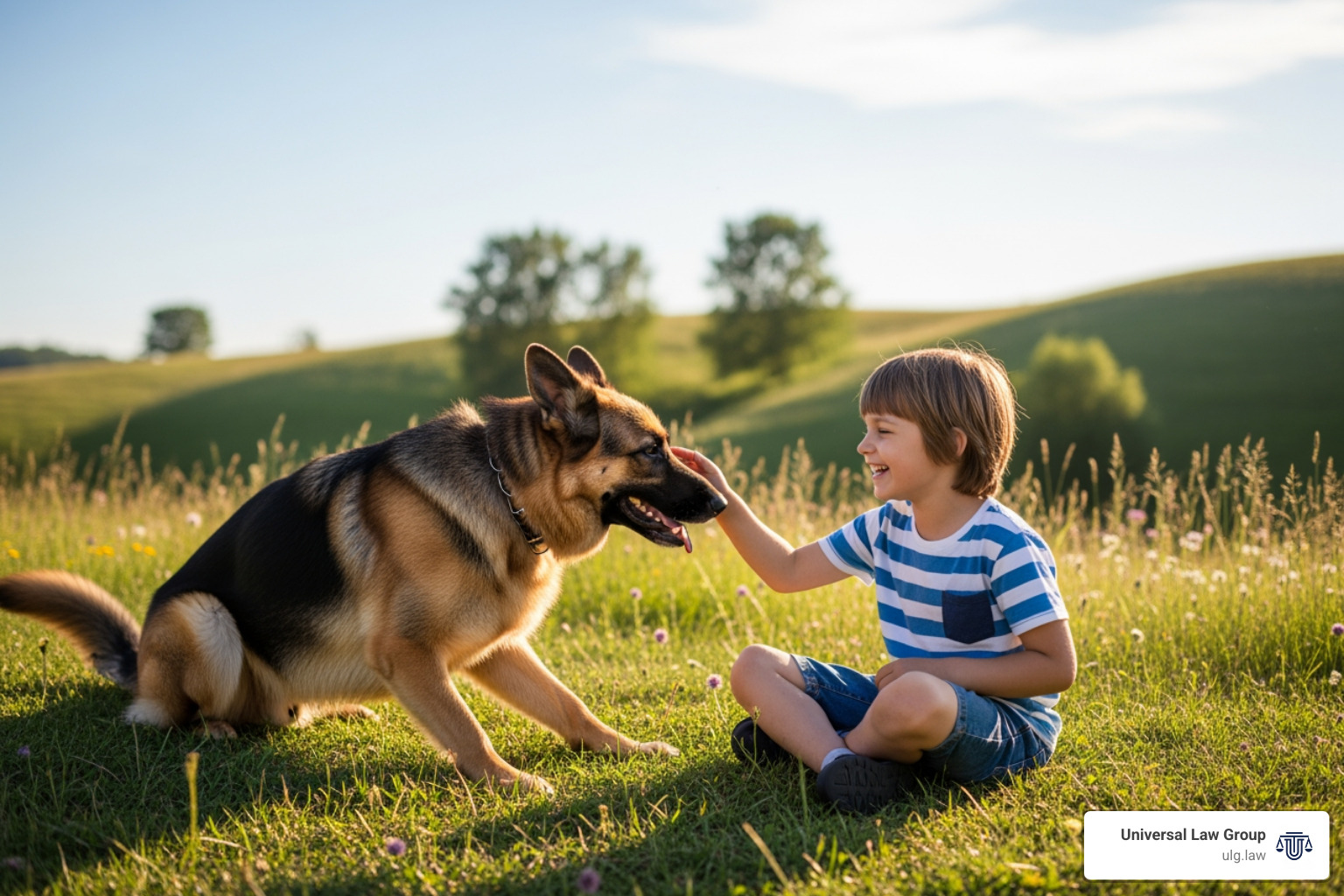
Top 10 Most Aggressive Dog Breeds: 2026 Guide
Understanding the Reality Behind Dog Aggression
The topic of most aggressive dog breeds often sparks debate, fueled by sensational headlines and misconceptions. If you’re seeking information on this subject, it’s crucial to understand that aggression is not solely determined by breed. While certain breeds appear more frequently in bite statistics, factors like training, socialization, and individual temperament play a more significant role. As attorneys who have represented numerous clients suffering from serious dog attacks, we’ve seen how devastating these incidents can be. Understanding the truth behind canine aggression is essential for prevention and for pursuing justice when attacks occur.
According to statistical data, the breeds most commonly cited in serious bite incidents include:
- Pit Bull Terriers – Responsible for 66% of fatal dog attacks between 2005 and 2019.
- Rottweilers – Involved in 45 fatal attacks during the same period.
- German Shepherds – Linked to 20 deaths and numerous non-fatal incidents.
- Mixed Breeds – Accounted for 27 human deaths from 2005 to 2019.
- Siberian Huskies – Responsible for 26 deaths between 2014 and 2020.
- American Bulldogs – Noted for involvement in fatal incidents.
- Bullmastiffs – Involved in 14 deaths and 3.2% of fatal bites.
- Doberman Pinschers – Historically cited in serious bite cases.
- Chow Chows – Severely harmed 61 people over 32 years.
- Wolf Hybrids – Known for unpredictable behavior and fatal incidents.
However, these statistics are misleading. Research from the University of Pennsylvania revealed that smaller breeds like Dachshunds and Chihuahuas exhibit higher rates of aggressive behavior. The difference? Bites from larger dogs are more likely to require medical attention and thus get reported, creating a significant reporting bias. The reality is that any dog can become aggressive. This article will provide a balanced perspective on the breeds statistically associated with aggression while emphasizing the critical importance of responsible ownership.

Understanding Canine Aggression: Beyond the Breed Label
Searching for the most aggressive dog breeds often leads to a simple list, but the truth is far more complex. A dog’s behavior is shaped by multiple factors, not just its breed. Genetics may load the gun, but environment and training pull the trigger.
Key Factors Influencing Dog Behavior:
- Training and Socialization: A well-trained and socialized dog—whether a Chihuahua or a Mastiff—learns boundaries and appropriate behavior. Early and frequent exposure to different people, places, and animals builds confidence and reduces fear-based aggression. A dog kept in isolation is more likely to react with fear or aggression to unfamiliar situations.
- Environment: A dog in a stressful, neglectful, or abusive home is more likely to develop aggressive tendencies than one in a stable, loving environment. Lack of exercise, confinement, and anxiety are common contributors to aggression.
- Genetic Predisposition: Certain breeds were developed for jobs requiring protective or tenacious traits (e.g., guarding, herding). These inherited characteristics can influence temperament, but they do not predetermine aggression. With proper care, these dogs can be wonderful pets.
Why Bite Statistics Can Be Misleading
Bite statistics paint an incomplete picture. The biggest issue is reporting bias. A bite from a German Shepherd that requires stitches will be officially recorded, while a nip from a Chihuahua that doesn’t need medical care often goes unreported. This makes larger breeds appear disproportionately dangerous.
A University of Pennsylvania study of 6,000 dog owners found that small breeds like Dachshunds and Jack Russell Terriers showed higher rates of aggression than many feared breeds. For example, one in five Dachshunds had bitten or tried to bite strangers. This disconnect between reputation and reality is often due to breed misidentification in reports and the sheer popularity of certain breeds, which inflates their numbers in statistics.
Recognizing Aggression Types and Warning Signs
Aggression stems from various motivations, including:
- Fear Aggression: The most common type, where a dog lashes out to protect itself when it feels trapped or threatened.
- Territorial/Protective Aggression: Defending its space, family, or resources from a perceived threat.
- Pain-Induced Aggression: A natural response to being touched in a sensitive or injured area.
- Redirected Aggression: When a dog is provoked by something it can’t reach and redirects its frustration onto a nearby person or animal.
Dogs rarely bite without warning. It is crucial for owners to recognize these signals and not punish them, as that can teach a dog to bite without warning:
- Growling: The primary warning signal, meaning “I’m uncomfortable, give me space.”
- Snapping: An air-bite that doesn’t make contact. This is a clear escalation.
- Lunging: A sudden forward movement toward a threat, often with barking or growling.
To get a more objective measure of temperament, organizations like the American Temperament Test Society (ATTS) conduct standardized evaluations. Their ATTS Breed Statistics often contradict public perception, with breeds like Pit Bulls consistently scoring above average, suggesting that with proper breeding and care, they can be stable, trustworthy companions.
A Closer Look at the Most Aggressive Dog Breeds by Statistics
While acknowledging the complexities of canine aggression and the nuances of bite statistics, it’s undeniable that certain breeds are frequently cited in severe and fatal incidents. This section will detail breeds that statistically appear more often in bite reports, emphasizing that these statistics reflect reported incidents and severity, not the inherent nature of every dog within the breed. Our goal is to provide information for awareness and responsible ownership, not to condemn these breeds, many of which make wonderful companions in the right hands.
1. Pit Bull Terriers

Pit Bull Terriers invariably top lists of the most aggressive dog breeds. Statistics show they were responsible for 66% of fatal dog attacks between 2005 and 2019. However, the term “Pit Bull” is an umbrella for several breeds (American Pit Bull Terrier, American Staffordshire Terrier, etc.), and many mixed-breed dogs with a similar appearance are mislabeled, inflating these numbers.
Historically bred for blood sports, these dogs required strength and tenacity. Today, responsible breeders focus on temperament, producing loyal and affectionate companions. As PetMD notes, well-socialized Pit Bulls are often “affectionate and outgoing” and share a “natural warmth with children.” They are eager to please and highly trainable.
Despite their potential as loving pets, their strength means owner responsibility is paramount. These powerful dogs require consistent training, thorough socialization, and firm, positive guidance from owners who can provide the necessary physical and mental exercise. When we handle dog bite cases, the owner’s actions and the dog’s history are far more telling than its breed label.
2. Rottweiler
Rottweilers are powerful dogs frequently cited among the most aggressive dog breeds in statistical reports. They were involved in 45 fatal attacks in the U.S. between 2005 and 2019. Their formidable bite force of around 328 PSI means an attack can cause devastating injuries, a tragic reality we’ve seen in cases at Universal Law Group.
Descended from Roman drover dogs, their history as guard dogs is deeply ingrained. A well-raised Rottweiler is confident, intelligent, and fiercely loyal to its family. They can be gentle and patient with children in their household.
However, their protective instincts and natural wariness of strangers make training and socialization absolutely critical. These are not dogs for first-time owners. They require a confident leader who can provide consistent, positive guidance from puppyhood. Without extensive socialization, they may misinterpret visitors as threats. With a responsible owner who invests in training and leadership, a Rottweiler can be a wonderful, dependable companion. Without it, their strength and protective nature can become a serious liability.
3. German Shepherd
German Shepherds are renowned as loyal police K-9s and dedicated search-and-rescue dogs. Despite this positive image, they are statistically linked to serious incidents, with 20 deaths attributed to them between 2005 and 2019. This highlights that even beloved breeds require responsible ownership.
Originally bred for herding, their intelligence and versatility made them ideal working dogs. This heritage means they are alert, protective, and willing to act on perceived threats. Their temperament is defined by high intelligence, loyalty, and a protective instinct that can manifest as wariness toward strangers. Early and ongoing socialization is crucial to help them distinguish between friend and foe.
While they are easily trainable, their intelligence demands a job to do. These dogs need mental stimulation and physical exercise. A bored German Shepherd can become anxious, destructive, or aggressive. In our experience, incidents often occur when their protective instincts are not properly channeled through training or when they lack adequate socialization and activity. In the right home, they are calm, confident companions; in the wrong environment, their protective nature can lead to tragic outcomes.
4. American Bulldog
The American Bulldog is a powerful and athletic breed, noted for its “involvement in fatal incidents.” While not as statistically prominent as Pit Bulls or Rottweilers, their strength and determination mean that any aggressive incident can have serious consequences.
Their history dates back to the American South, where they served as all-purpose farm utility dogs, often used for catching wild boar and guarding property. These tasks required immense strength, courage, and a tenacious grip.
The temperament of an American Bulldog is typically strong-willed, loyal, and athletic. They are devoted to their families but can be wary of strangers and may not always get along with other dogs. They requires firm training and consistent boundaries from an early age. Due to their power and strong personality, they are not ideal for novice owners who may struggle to provide the necessary leadership and socialization. With an experienced owner, American Bulldogs can be loving and protective companions.
5. Bullmastiff
Bullmastiffs are imposing dogs known for their strength and their role as guardians. They have been linked to “14 deaths and 3.2% of fatal bites,” highlighting their potential for severe harm if aggression is left unchecked.
Their history began in 19th-century England, where they were bred by gamekeepers to deter poachers on large estates. These “estate guardians” needed to be powerful enough to apprehend intruders but also quiet and controllable. They are often described as “among the most popular guard dogs” due to their impressive stature and protective instincts.
A Bullmastiff’s temperament is generally fearless and loyal to their family. They are known for being devoted, but also “don’t like strangers and visitors.” While often gentle giants within their family, their natural wariness of outsiders means they needs early socialization to distinguish between welcome guests and actual threats. Without it, they can become overly protective or aggressive towards unfamiliar people. Their intimidating presence often acts as a deterrent, and with proper training, they are calm, confident, and affectionate companions.
6. Siberian Husky
Siberian Huskies are known for their stunning looks, so it’s surprising to learn they were responsible for 26 deaths between 2014 and 2020. This statistic underscores the challenges of owning this unique breed.
Bred to pull sleds over vast distances, Huskies are endowed with incredible endurance and independence. This history has shaped a temperament that doesn’t always fit a typical family lifestyle. They have extremely high energy levels, are independent thinkers, and possess a strong prey drive that can lead them to chase small animals, including neighborhood pets.
Huskies are also notorious escape artists, prone to digging under or jumping over fences. Once loose, their independence and prey drive can lead to dangerous situations. If not given sufficient daily exercise, they can develop significant behavioral issues, including aggression. While not typically aggressive toward people, their combination of high energy, prey drive, and power requires an experienced owner who can provide the structure and activity they need to thrive.
7. Doberman Pinscher
Doberman Pinschers are sleek, powerful, and intelligent dogs often associated with protection. While specific fatal bite statistics for Dobermans were not provided as a standalone number in the general research (they are often grouped with powerful breeds), their bite force is significant, and they possess a powerful bite force.
Their history began in the late 19th century in Germany, where they were bred by a tax collector, Karl Friedrich Louis Dobermann, for personal protection. They were designed to be intelligent, fearless, and loyal guardians.
A Doberman’s temperament is typically intelligent, alert, and fiercely loyal to their family. They are courageous and can be highly protective. However, they can also be wary of strangers if not properly socialized from a young age. Dobermans needs a strong leader and consistent training to channel their protective instincts positively. With proper guidance, they are confident, obedient, and make excellent family members. Without it, their natural wariness and power can become problematic.
8. Chow Chow
Chow Chows are distinctive dogs with a lion-like mane and an aloof demeanor. They have a notable record in bite statistics, having “severely harmed 61 people, including 37 children and 18 adults, in 32 years.” This highlights that even seemingly calm breeds can pose a risk without proper handling.
Their history traces back to ancient China, where they were versatile, all-purpose dogs used for hunting, herding, and guarding. This heritage cultivated a strong protective instinct and an independent nature.
The temperament of a Chow Chow is generally aloof, independent, and highly territorial. They are often described as cat-like in their personality, bonding with one person or a select few family members. They often bonds with one person and can be fiercely protective of them. This strong loyalty, combined with their territorial nature, means they can be aggressive to strangers and other dogs if not thoroughly socialized from an early age. They require experienced owners who understand their independent nature and can provide consistent, firm training.
9. Wolf Hybrid
Wolf Hybrids, also known as wolfdogs, are a cross between a domestic dog and a wolf. They are “noted for involvement in fatal incidents,” and their unpredictable nature makes them one of the most concerning animals in terms of safety.
Their temperament is highly unpredictable, stemming from the mix of wild wolf instincts and domesticated dog traits. They retain strong wild instincts, high prey drive, and an inherent wariness of humans. As research indicates, “mixing domestic dogs with wolves creates unpredictable results, with wolf hybrids retaining a strong instinct to roam and hunt.”
Due to their unpredictable behavior and strong wild instincts, Wolf Hybrids are not recommended as family pets, especially in homes with children or other animals. Their behavior can be difficult to manage, even for experienced handlers, and they often require specialized containment. Furthermore, there are often legal restrictions on owning Wolf Hybrids, with many areas banning them entirely or requiring special permits. Their genetic makeup makes them a unique challenge, and their presence in fatal incident statistics underscores the significant risks they can pose.
10. Mixed Breeds
While not a single breed, “Mixed Breeds also account for a significant number of attacks, contributing to 27 human deaths from 2005 to 2019.” This category’s presence on a list of most aggressive dog breeds highlights a critical point: aggression is not exclusive to purebreds.
The challenge with mixed breeds lies in their unpredictable genetics. Without a clear lineage, it can be difficult to anticipate temperament, size, or specific behavioral traits. A mixed-breed dog might inherit the strong prey drive of one parent and the territorial instincts of another, making their behavior harder to predict than a purebred with a known history.
This emphasizes the importance of individual assessment. Each mixed-breed dog must be evaluated on its own merits, based on its observed behavior, history, and the environment it came from. When considering shelter dog considerations, staff often have valuable insights into a dog’s personality and potential issues. However, the challenge of identifying parent breeds accurately means that owners must be diligent in training and socialization, treating each dog as an individual with unique needs. A mixed breed is just as capable of being a loving companion as it is of exhibiting aggressive behaviors, depending on all the influencing factors discussed earlier.
The Legal Landscape: Breed-Specific Legislation (BSL) and Owner Liability in Texas
The conversation about the most aggressive dog breeds inevitably leads to law and policy. Understanding the legal landscape in Texas is crucial for both dog owners and victims of dog attacks.
Breed Specific Legislation (BSL) refers to laws targeting certain breeds. However, BSL is widely considered ineffective because it punishes dogs based on appearance rather than individual behavior. It fails to address the root causes of aggression, such as poor training, neglect, and lack of socialization, while penalizing responsible owners. The prevailing philosophy is to “penalize the deed, not the breed.”
Texas generally avoids statewide BSL, instead relying on the “one-bite rule” and negligence principles. An owner can be held liable if they knew or should have known their dog had aggressive tendencies. However, this doesn’t give a free pass for a first bite. Strict liability can apply if owner negligence is evident, such as violating local leash laws or failing to secure a dog known to be dangerous.
Texas and cities like Houston have dangerous dog laws that apply to any dog that has demonstrated aggressive behavior, regardless of breed. Once a dog is declared “dangerous,” the owner must comply with strict requirements, including obtaining liability insurance, using a secure enclosure, and muzzling the dog in public. This places the owner’s legal responsibility squarely on managing their specific animal’s behavior.
Legal Liability for Owners
In Texas, an owner can be held liable for an attack if their negligence led to it—for example, failing to repair a broken fence or letting an untrained dog roam off-leash. Premises liability can also apply, holding property owners or landlords responsible if they knew of a dangerous dog on their property and failed to act.
The consequences of a dog bite are severe. Victims face substantial medical bills, lost wages, and immense pain and suffering, including emotional trauma and permanent scarring. In some cases, falls during an attack can cause secondary injuries like broken bones or brain injuries. Owners may also face criminal charges in cases of severe attacks or gross negligence.
Proactive Ownership: How to Raise a Well-Behaved Dog
Responsible ownership is the single most important factor in preventing dog aggression, regardless of whether you have one of the most aggressive dog breeds or not. The difference between a gentle companion and a dangerous animal often comes down to the owner’s commitment.
- Early and Ongoing Socialization: The critical window is 3-14 weeks of age, but socialization is a lifelong process. Expose your dog to a wide variety of people, sounds, and environments to build confidence and prevent fear-based aggression.
- Positive Reinforcement Training: Reward desired behaviors with treats, praise, or toys. This method builds trust and makes training enjoyable, unlike punishment-based methods that can create fear and anxiety.
- Adequate Exercise and Mental Stimulation: A tired dog is a well-behaved dog. Provide daily physical exercise and mental challenges like puzzle toys or training games to prevent boredom, which can lead to destructive or aggressive behavior.
- Recognize and Manage Triggers: Learn your dog’s body language to identify what makes them uncomfortable or reactive. Manage these situations responsibly by either avoiding triggers or working with a professional to desensitize your dog.
- Never Leave Dogs Unattended with Children: This is a non-negotiable rule. Supervise all interactions, as even the most patient dog can react unpredictably if accidentally hurt or frightened by a child.
- Use Proper Equipment: A properly fitted no-pull dog harness can provide better control over powerful dogs, preventing lunging and making walks safer and more manageable.
- Spay or Neuter Your Dog: This can reduce certain types of aggression, particularly territorial behaviors in males, and prevent roaming. It is a responsible step toward a calmer, healthier pet.
Frequently Asked Questions about Aggressive Dog Breeds
Are certain dog breeds genetically predisposed to aggression?
Yes, but it’s more complex than a dog being born “bad.” Breeds developed for tasks like guarding or hunting may have genetic predispositions for protective or tenacious traits. However, genetics are only a baseline. Even within a single litter, temperaments vary. The importance of training and socialization over genetics alone cannot be overstated. A well-cared-for Pit Bull is more likely to be a stable pet than a neglected Labrador Retriever. Responsible ownership makes all the difference.
Can small dogs be considered among the most aggressive dog breeds?
Yes. When measuring the frequency of aggressive acts, small dogs rank surprisingly high. A University of Pennsylvania study on Dachshunds and Chihuahuas found they displayed more aggressive behaviors than many larger, feared breeds. This is often due to “small dog syndrome,” where owners fail to train or socialize them properly because their behavior is seen as harmless. However, their bites are underreported and still have the potential for serious injury, especially to children, who are often bitten at face level.
What should I do if I am bitten by a dog?
Being bitten by any dog is a traumatic experience. Taking the right steps immediately is crucial for your health and legal rights.
- Seek Immediate Medical Attention: Even minor bites carry a high risk of infection. A doctor can properly clean the wound, assess the damage, and determine if you need stitches, antibiotics, or a tetanus shot.
- Report the Incident: Contact local animal control to create an official record. This allows authorities to investigate the dog’s history and vaccination status, protecting both you and the community.
- Document Everything: Take photos of your injuries, the dog, and the location. Write down all details of the incident and collect contact information from the owner and any witnesses. Keep all medical bills and records of lost wages.
- Consult a Personal Injury Lawyer: Before speaking to the owner’s insurance company, contact an experienced dog bite attorney. Insurance adjusters aim to minimize payouts and may use your words against you. At Universal Law Group, we understand the complexities of Texas’s “one-bite rule” and how to prove owner negligence. If you have a Houston dog bite case, contact us for a free consultation to protect your rights and pursue the compensation you deserve for medical bills, lost wages, and pain and suffering.
Conclusion: Emphasizing Responsibility and Seeking Justice
The debate over the most aggressive dog breeds is complex, but the evidence is clear: breed is not the sole determinant of a dog’s behavior. Genetics, training, socialization, and environment all play critical roles. The ultimate factor, however, is owner responsibility. A well-cared-for dog is unlikely to be a danger, while neglect can turn any dog into a threat.
The consequences of dog bites are severe, leaving victims with physical injuries, emotional trauma, and immense financial burdens from medical bills and lost wages.
If you or a loved one in Houston has been the victim of a dog attack, you do not have to face the aftermath alone. The experienced attorneys at Universal Law Group understand Texas dog bite law and are dedicated to protecting your rights. We will help you steer your options and pursue the justice you deserve. Contact us for a free consultation to discuss your Houston dog bite case.
About the Author

