


Hit by a Driverless Car or a Vehicle on Autopilot? We Can Help.
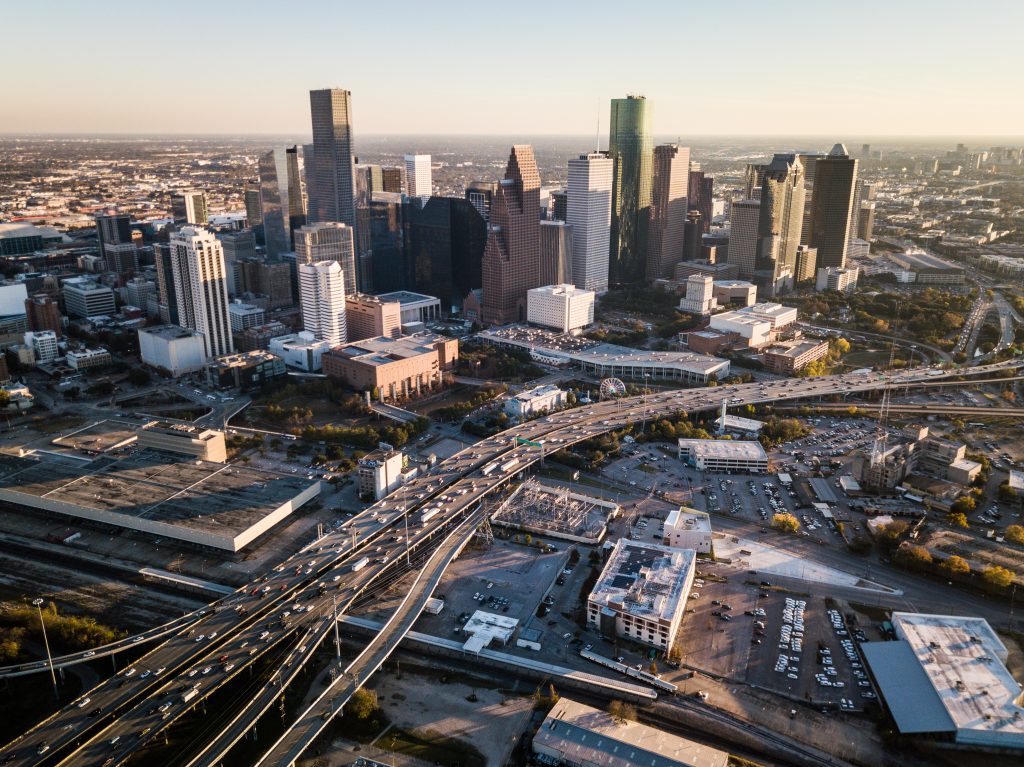
Self-driving cars are now on Houston streets. Waymo and Tesla both run driverless ride services here, and many Teslas on local roads use Autopilot or have self-driving features.
When one of these vehicles causes a crash, the question of who pays gets complicated fast. A self-driving car accident lawyer can find out whether the company, the software, the driver or someone else is responsible.
Universal Law Group handles these cases on a contingency fee, so you pay nothing unless we win. Call 832-767-0339 for a free consultation.
Key Takeaways
- Waymo and Tesla Robotaxi both operate in Houston. Waymo opened to the public in August 2026, and Tesla launched driverless rides here in April 2026.
- Texas treats the self-driving system as the “operator” when it’s engaged, which can put responsibility on the company behind the vehicle.
- Tesla Autopilot and Full Self-Driving are driver-assist systems. The driver is still responsible, but Tesla can share the blame if the system was defective.
- Crash data can disappear. These vehicles record video and sensor logs, and a lawyer can demand that the company preserve them.
- You generally have two years from the crash to file a personal injury lawsuit in Texas.
Self-Driving Cars Are Already on Houston Roads
Driverless vehicles are no longer a California-only issue. In the last year, both major robotaxi companies started carrying passengers in Houston:
- Waymo began offering rides to select Houston riders in February 2026 and opened its service to the public on August 20, 2026.
- Tesla expanded its Robotaxi service to Houston and Dallas on April 18, 2026, with no safety driver behind the wheel.
Texas has also tightened the rules. Under Senate Bill 2807, any company running driverless vehicles commercially in Texas must hold an authorization from the Texas Department of Motor Vehicles. That requirement took effect on May 28, 2026.
More driverless cars on the road means more crashes involving them. If you were hurt by one, you have the same right to compensation as you would after any other Houston car accident.
Driverless Cars vs. Driver-Assist Systems: Why It Matters for Your Claim
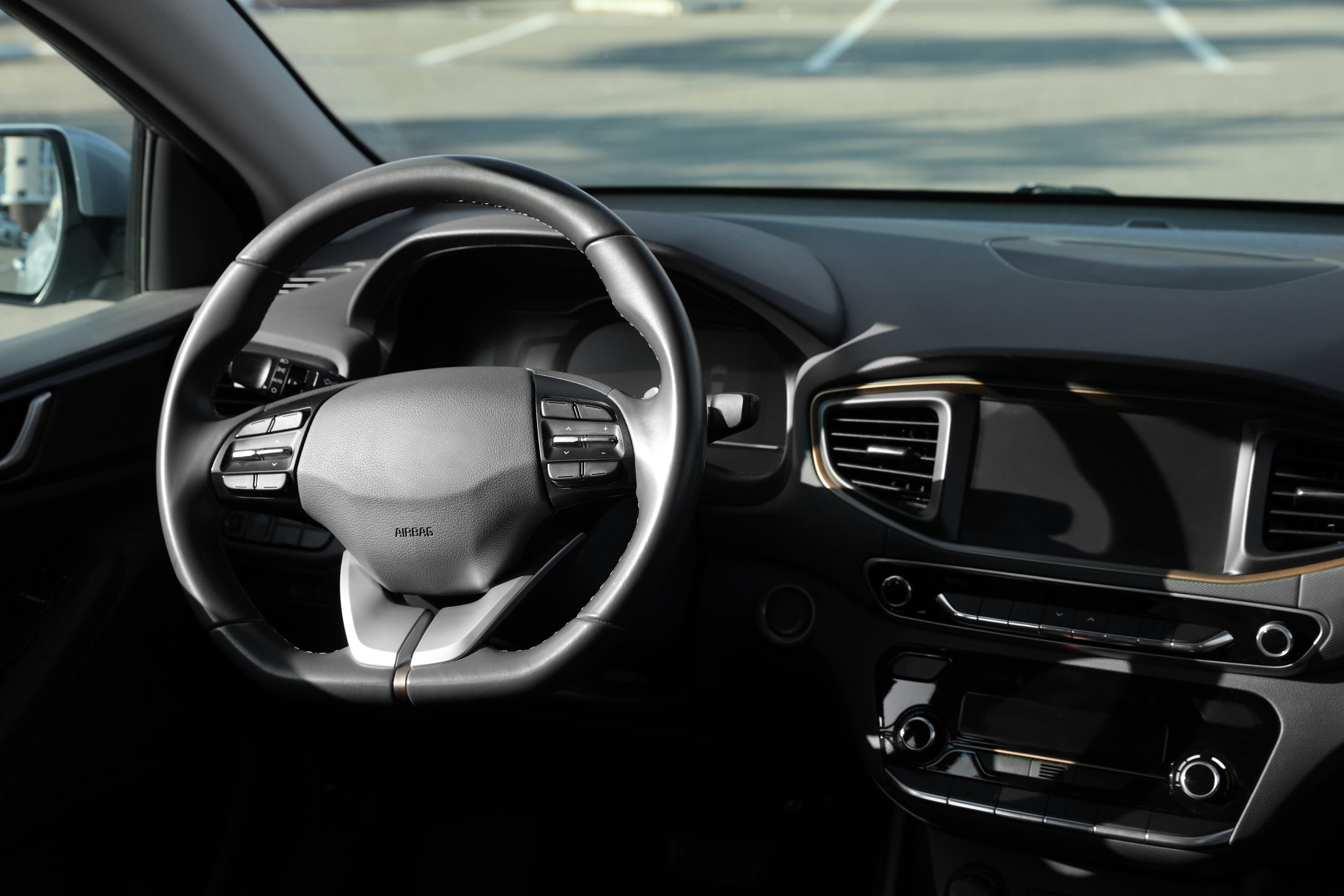
Not every “self-driving” car is driving itself. The type of technology involved changes who is legally responsible for your injuries.
- Fully driverless vehicles (Level 4): Waymo and Tesla Robotaxi cars drive with no human in control. The software makes every decision.
- Driver-assist systems (Level 2): Tesla Autopilot and Full Self-Driving (Supervised) can steer, brake and accelerate, but the driver must watch the road and be ready to take control at any time.
In a driverless crash, the case usually revolves around the company and its technology. In an Autopilot crash, it usually starts with the driver and can expand to the car company if the system failed.
Who Is Liable for a Self-Driving Car Accident in Texas?
Liability depends on how the car was operating at the moment of the crash. It’s possible for more than one party to share the blame.
Waymo and Tesla Robotaxi Crashes
Under Texas Transportation Code § 545.454, when an automated driving system is engaged, the system itself is considered the operator of the vehicle. Traffic citations go to the owner or the company that holds the state authorization.
That matters because there’s no human driver to blame. Your claim is usually against the company that owns and runs the vehicle, such as Waymo or Tesla.
Texas law also requires these vehicles to carry liability insurance. Driverless ride-hail vehicles fall under the same insurance rules Texas applies to Uber and Lyft drivers.
Read more about: Rideshare Accident Claims in Houston
Tesla Autopilot and Full Self-Driving Crashes
Autopilot and Full Self-Driving (Supervised) don’t make a Tesla driverless. The person behind the wheel is still responsible for watching the road, so a claim usually starts with the Tesla driver and their insurance.
Tesla can also be held responsible if the technology was defective or Tesla failed to warn drivers about its limits. In August 2025, a federal jury in Miami found Tesla 33% responsible for a fatal 2019 Autopilot crash and awarded $243 million in damages, including $200 million in punitive damages. A federal judge upheld that verdict in February 2026.
Other Parties Who May Share Responsibility
- Software and sensor suppliers if a camera, radar or other part failed
- Fleet maintenance companies that service or calibrate the vehicles
- Other human drivers who contributed to the crash
- Government entities in some cases involving dangerous road design or missing signs
Not sure who’s at fault? That’s our job. Call 832-767-0339 and we’ll start investigating.
Common Causes of Self-Driving Car Accidents
Federal investigators have already flagged several problems with self-driving technology. Some of the most common causes we look for include:
- Running red lights or misreading signals. In October 2025, the National Highway Traffic Safety Administration (NHTSA) opened an investigation into about 2.9 million Teslas with Full Self-Driving over reports of the cars running red lights and driving into opposing lanes.
- Failing to see in poor visibility. In March 2026, NHTSA expanded its investigation into Full Self-Driving crashes in sun glare, fog and dust to cover about 3.2 million vehicles.
- Illegally passing school buses. In December 2025, Waymo recalled its robotaxi software after reports of its vehicles passing stopped school buses, including in Austin.
- Driver over-reliance. Drivers using Autopilot sometimes look away from the road, trusting the car to react for them.
- Sudden braking or unexpected moves that cause rear-end and sideswipe collisions.
- Software updates and glitches that change how a vehicle behaves without warning.
What to Do After a Crash With a Self-Driving Car
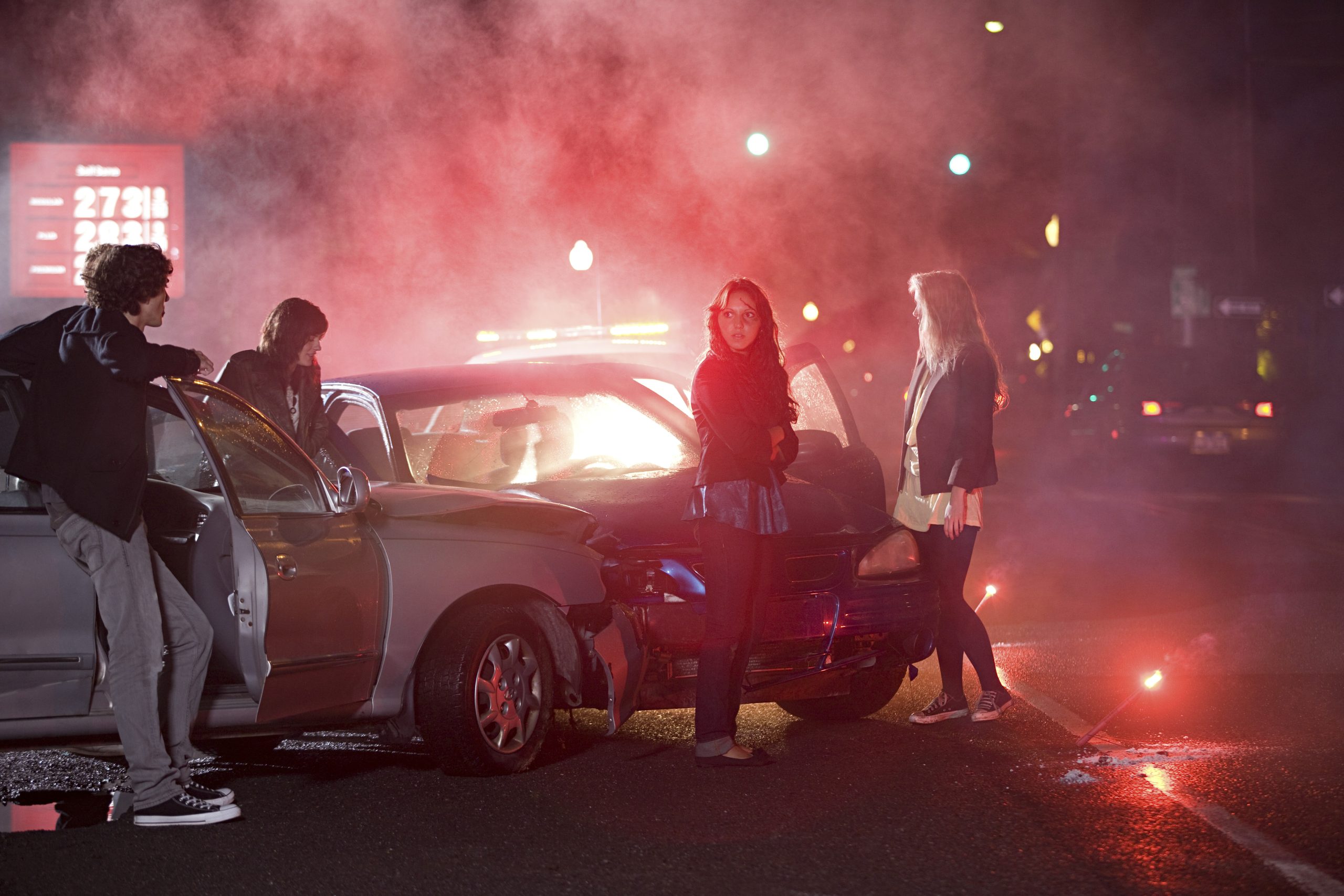
The steps are similar to any crash, with a few extra details that matter for these cases:
- Call 911 and get medical help, even if you feel fine.
- Photograph the vehicle, including its license plate, any fleet or ID number, the roof sensors and the damage.
- Note the company. Write down whether it was a Waymo, a Tesla Robotaxi or a privately owned Tesla.
- If you were a passenger, take screenshots of your ride details in the app before anything changes.
- Get witness names and phone numbers.
- Don’t give a recorded statement to the company or its insurer before you talk to a lawyer.
- Call a lawyer quickly so the vehicle’s camera footage and data logs can be preserved.
Read more about: What to Do After a Car Accident in Texas
Why You Need a Self-Driving Car Accident Lawyer
These aren’t ordinary fender-bender claims. You’re often up against a large tech company with its own lawyers and engineers.
Self-driving cars record almost everything: camera video, sensor readings, speed and system status. That data can prove what the car saw and did. It can also be overwritten or held back.
Our team can:
- Send preservation demands so the company can’t delete crash data
- Pull federal crash reports, since NHTSA requires companies to report many crashes involving self-driving and driver-assist systems
- Work with technical experts who can explain what the software did and why
- Handle the insurance companies while you focus on recovering
Read more about: Preserving Evidence After a Car Accident
Compensation You May Recover
Depending on your case, you may be able to recover:
- Medical bills, including future treatment
- Lost wages and lost earning ability
- Pain and suffering
- Property damage
- Wrongful death damages if you lost a loved one
- Punitive damages in some cases where a company acted with gross negligence
Read more about: What Are Punitive Damages?
Texas Deadlines and Fault Rules
- Two-year deadline: Texas generally gives you two years from the date of the crash to file a personal injury lawsuit.
- Product liability limit: Claims against a manufacturer over a defective product generally must be brought within 15 years of the vehicle’s sale, along with the two-year deadline.
- Shared fault: Under Texas’s proportionate responsibility rule, you can recover damages as long as you’re not more than 50% at fault. Your award is reduced by your share of the blame.
Don’t wait until the deadline is close. Crash data is easiest to secure in the first days and weeks.
Self-Driving Car Accident FAQs
Can I sue Waymo if one of its cars hits me?
Yes. When a Waymo’s driving system is engaged, Texas law treats the system as the vehicle’s operator. That generally makes Waymo the main party to pursue, along with its insurance.
Who pays if a Tesla on Autopilot hits me?
Usually the Tesla driver’s insurance pays first, because the driver is required to supervise Autopilot. If the system was defective, Tesla may also be responsible.
Is the driver still responsible if Autopilot or Full Self-Driving was on?
Yes. Both are driver-assist systems, and Tesla requires the driver to keep watching the road. Using them doesn’t shift all of the responsibility to the car.
What if I was a passenger in a Waymo or Tesla Robotaxi?
You can bring a claim against the company running the service, and against any other driver who caused the crash. Save your ride details from the app and get medical care right away.
How long do I have to file a self-driving car accident claim in Texas?
Generally two years from the date of the crash. Some claims, including those against government entities, have shorter notice deadlines, so it’s best to talk to a lawyer early.
How much does it cost to hire Universal Law Group?
Nothing upfront. We work on a contingency fee, which means we only get paid if we recover money for you.
Talk to a Houston Self-Driving Car Accident Lawyer Today

Self-driving technology is new, but your rights after a crash aren’t. If a Waymo, a Tesla Robotaxi or a car on Autopilot hurt you or someone you love, we’ll find out what went wrong and who should pay.
Call 832-767-0339 or contact us online for a free consultation.